

Israel’s defense minister previously claimed that the current supreme leader also “has a death mark”
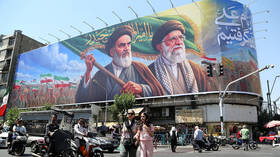
Iran has warned the US and Israel against any attacks during upcoming funeral processions for Supreme Leader Ayatollah Ali Khamenei, who was killed in the opening attack of the war, as Tehran prepares for days of heavily guarded mourning.
Khamenei’s funeral procession is set to begin in Tehran on July 4 and conclude on July 9 with his burial in his hometown of Mashhad, with additional celebrations planned in Qom and neighboring Iraq.
“We warn the enemies of Iran, especially the United States and the Zionist regime, to avoid any false calculations and to think about the severe retaliation that our forces will bring to any threat and aggression against our country.” Ali Abdollahi, commander of the Headquarters of Khatam al-Anbiya, said on Thursday.
Israeli Defense Minister Israel Katz claimed Monday that Iran’s Supreme Leader Mojtaba Khamenei is also present “a sign of death,” like his father. Foreign Minister Abbas Araghchi warned on Wednesday that Tehran will give a quick and strong response to any threat against its people or leadership.
The warnings come as indirect talks between the US and Iran have reportedly been suspended until after Khamenei’s burial. The latest talks in Doha this week focused on maritime transport through the Strait of Hormuz and the release of frozen Iranian funds, but there was no sign of major progress towards lasting peace.
Israel had made targeted assassinations of Iranian leaders a central part of its war strategy from the beginning. The conflict began on February 28 with an Israeli attack that killed Khamenei and several other senior officials, according to US intelligence. Israel later killed several people with whom Washington had hoped to hold talks, including Ali Larijani, Iran’s top national security official, and Kamal Kharazi, a former foreign minister, according to the report.
While US President Donald Trump himself has repeatedly boasted about the beheading strikes, US officials feared Israel might also try to kill Iran’s top negotiators, Araghchi and Parliament Speaker Mohammad Bagher Ghalibaf, the New York Times reported Thursday. The concern was so great that Washington allegedly even asked regional judges to warn Tehran.
In June, Washington and Tehran reached an agreement aimed at reopening the Strait of Hormuz and outlined talks on monitoring Iran’s nuclear program, sanctions relief, frozen assets, and a long-term settlement.
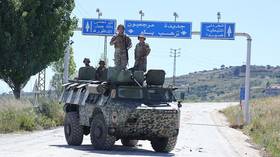
Israel has strongly opposed the process saying that the agreement does not meet its war goals, including regime change in Tehran, the destruction of the Islamic Republic of Iran’s regional allies and the permanent destruction of Iran’s missile and nuclear capabilities. Iranian officials have accused the Jewish state of seeking to sabotage the talks through its ongoing military operations in Lebanon.



