
On February 28, United States and Israeli forces launched a series of strikes on Iranstart of the Middle East conflict.
Pete Hegseth, the secretary of the Department of Defense, said in a recent press conference that the operation could take up to eight weeks. President Donald Trump himself said in a press conference on March 2 that the administration expects the operation to last four or five weeks but has “the potential for longer than that.”
This week, Iran retaliated, attacking Israel, US embassies in the region and military bases, and other sites across the Middle East. Iran has peppered neighboring countries with hundreds of drone and ballistic missile strikes since the operation began. Although many of these were intercepted, there were casualties in the region and many buildings were damaged, including luxury hotels in Dubai, US military bases and embassies, and international airports and seaports.
Israel has also begun bombing Lebanon, following strikes on the country by the Lebanese militant group Hezbollah.
The Trump administration has provided various, and at times seemingly contradictory, justifications for military action, citing everything from a potential “nuclear threat” to unverified claims that Iran attempted to intervene in the 2020 and 2024 US presidential elections. As of March 5, Congress, which in the US has the sole power to declare war, has not yet done so.
The attacks have already disrupted supply chains, creating uncertainty for oil and gas and fertilizer industries as key infrastructure were targeted or shut down indiscriminately. Shipping traffic stopped along the Strait of Hormuz, a critical route.
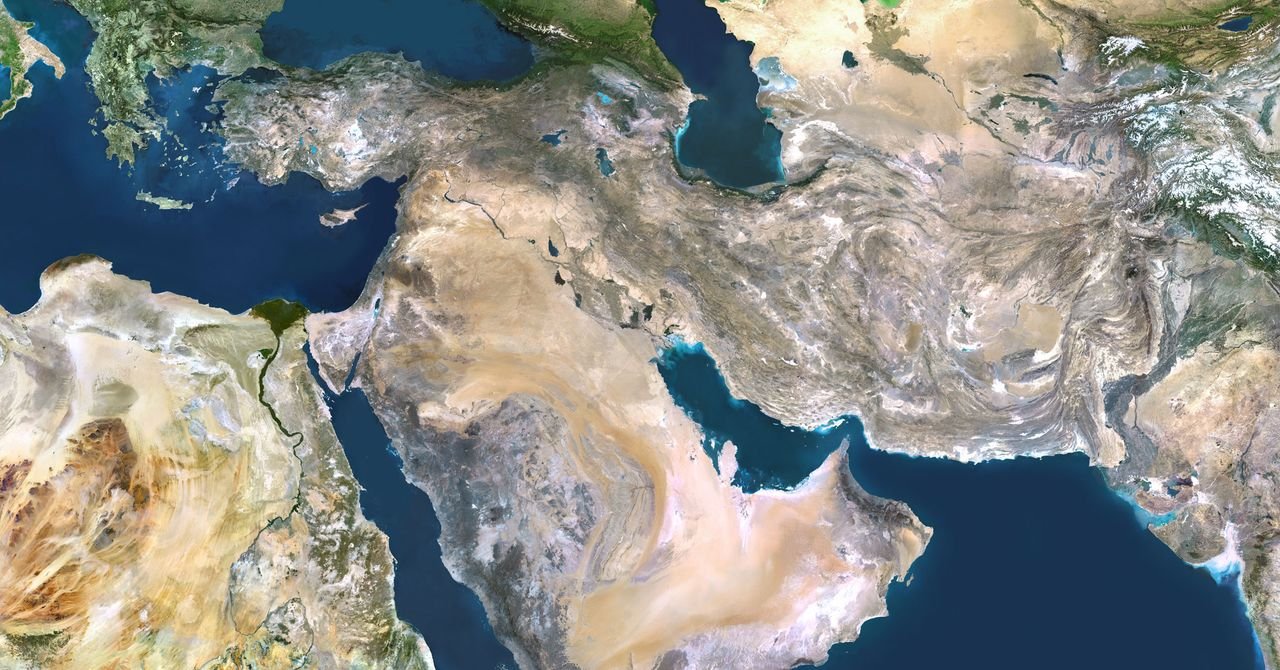
As the conflict continues to grow and expand, WIRED tracks which countries are affected and how. This article was last updated on March 5.
Iran
As of March 4, Iranian state media estimated that more than 1,000 people had died in the country since the US-Israeli offensive began. Several schools and hospitals were hit, according on Al Jazeera. The Israeli Air Force said it has hit Iran with more than 5,000 missiles since the start of the operation.
Israel
Israel faces retaliatory strikes from Iran. On March 4, at least 11 people were killed and more than 40 buildings were damaged in Tel Aviv, according of Al Jazeera.
Azerbaijan
On March 5, Azerbaijan said Drone attacks launched from Iran crossed the country’s borders and damaged an airport building and injured two civilians. Azerbaijan’s President Ilham Aliyev said the country’s military forces were “ordered to prepare and implement appropriate retaliatory measures,” according to Reuters. Iran has denied responsibility for the attacks, according to Al Jazeera.
Bahrain
Missile and drone strikes targeted various locations in Bahrain, including a US naval base, according to BBC. On March 2, Amazon reported that a drone strike took place near one of its data centers in the country. CNBC later reported that Iranian state media said Iran targeted the data center because of the company’s support for the US military.
Cyprus
On March 2, a drone strike hit a British air base in Cyprus, according to Reuters. It caused limited damage and no casualties. Greece, the UK, and France have lent defensive support to the country, according to a Bloomberg report.
Iraq
Since February 28, there have been reports of multiple Iranian strikes aimed at a US military base near Erbil International Airport, according to the nonprofit monitoring group Armed Conflict Location and Event Data.
Jordan
Jordan’s armed forces have intercepted dozens of missiles since the conflict began. At least one Iranian-backed militant group in Iraq has claimed responsibility, according to the Associated Press. On March 2, the US embassy in the country announced that all its personnel temporarily left.
Kuwait
Kuwait has endured a lot waves of Iranian missile and drone attacks since February 28. On March 2, US Central Command said in a statement that three US fighter jets were accidentally shot down by Kuwaiti air defenses during an attack that included Iranian aircraft, missiles, and drones.
Lebanon
Israel attacked southern Lebanon after the Lebanese militant group Hezbollah launched rocket and drone attacks against it. Lebanon’s prime minister, Nawaf Salam, banned Hezbollah’s military and security activities, according to Al Jazeera.
Oman
Oman’s Duqm commercial port has been hit by several drone attacks, according to Al Jazeera. Omani authorities said at least one oil tanker outside the country’s port of Khasab sa Strait of Hormuz was attacked.
Qatar
On March 2, QatarEnergy posted in X saying it will halt production of liquefied natural gas following a military attack on its operational facilities in the country. It did not link the attack to any particular country. On March 3, this posted again, saying it will also stop producing additional products, including urea, polymers, methanol, and aluminum.
Saudi Arabia
Infrastructure in Saudi Arabia was targeted by projectiles. On March 3, the US embassy in Riyadh, the country’s capital, was damaged following an attack. On March 4, Reuters reported that one of the largest domestic refineries of Saudi Aramco, the majority state-owned oil company, was targeted by an attempted drone attack.
Syria
Tom Fletcher, the United Nations undersecretary-general for humanitarian affairs and emergency relief, said that civilians and civilian infrastructure are being attacked in several countries including Syria.
Turkey
On March 4, the Turkish Ministry of National Defense announced that NATO intercepted ballistic munitions launched from Iran, and munition fragments fell in Hatay, a province bordering the Mediterranean Sea and Syria. Iran has rejected any missile launch towards the country.
United Arab Emirates
On March 4, UAE Ministry of Defense officials say that the country has intercepted hundreds of drone and missile attacks from Iran. Despite the relatively high rate of interceptions, the debris created by the fallout still damaged areas of the country. In Dubai, the then luxury hotel Burj Al Arab hit through the remains, as well as the Palm Jumeirah, a man-made island home to high-end hotels and apartments. On March 2, Amazon Web Services announced that two of its facilities in the country were directly hit, causing “high error rates and poor availability.”
Countries Evacuating Citizens
On March 2, US assistant secretary of state for consular affairs Mora Namdar posted on X urging Americans to withdraw from several Middle Eastern countries because of “serious safety risks.” On March 4, Reuters it was reported that the US military offered seats in military transport vehicles to Americans trying to leave the region.
More than a dozen countries have announced they will evacuate their citizens from the area or sponsor repatriation flights, including UK, Ireland, Germany and Italy.



