
This story was originally published by Grist and is reproduced here as part of Weather Desk cooperation.
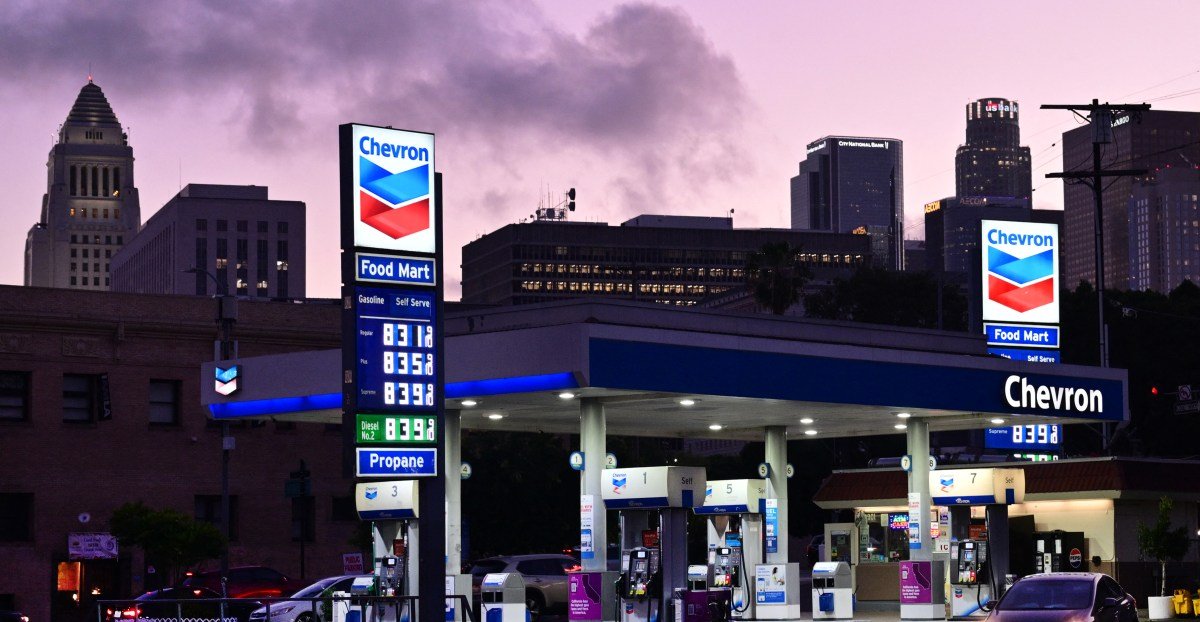
The price of gasoline continues to rise as the war between the United States and Israel and Iran continues. As of March 23, national average it stands at $3.96 a gallon, nearly a dollar higher than at the start of the crisis. It’s also just shy of a move that could push consumers toward electric cars.
When gas prices exceed $4 a gallon, BloombergNEF estimates that the total cost of ownership for EVs becomes lower than for gas-powered vehicles. The actual crossing point depends on local prices for gasoline and electricity. “(But) even when I run the model using the high cost of electricity, we still see this same pattern,” said Huiling Zhou, an electric vehicle analyst at BloombergNEF. In California, for example, where electricity costs are high, gas is also expensive. At more than $5 a gallon, the government has already passed a measure that EVs are an affordable option.
According to a AAA study from 2022 – when Russia’s invasion of Ukraine caused a month-long price increase – $4 a gallon is also the threshold at which many Americans will make changes to their driving habits or lifestyle. Stephanie Valdez Streaty, director of industry insights at Cox Automotive, agrees that “high gas prices definitely start a conversation with consumers.”
“There is no meaningful policy tool to mitigate this.”
– Robbie Orvis, Energy Innovation
Edmunds.com has reported an increase in search traffic for EVs since the battle began on Feb. 28. It’s too early to say whether that interest will translate into more purchases, said Valdez Streaty. But when prices rose at the start of the war in Ukraine, sales of electric cars rose as well. From January to March 2022, sales of EVs in the U.S. rose 69 percent, with hybrids jumping 32 percent. Robbie Orvis, who heads the development and analysis think tank Energy Innovations, said overall trends set dates for electric powertrains.
“In the past, when prices went up, people would start choosing fuel-efficient cars,” he said. The oil shocks of the 1970s and 1980s, for example, led to a focus on fuel efficiency and helped make more efficient Japanese cars more popular. Avoiding gas stations may be a trend this time too.
“If you’re driving an EV, you’re pretty insulated,” Orvis said. “Your retail rate for electricity won’t double from one month to the next, like it can for gasoline.”
Still, Orvis highlighted some factors that could slow the move to EVs. For one, it is unclear how long high oil prices will last. Limited availability of chargers for electric vehicles is another barrier to adoption. People also tend to put more weight on up-front costs than long-term financial benefits. Then there’s the fact that higher oil prices could put a damper on consumer confidence more broadly.
“The current situation is very likely to lead to higher prices all around,” Orvis said. That pressure could mean people are more reluctant to make a big purchase like a car. As Valdez Streaty said, “if they can delay it, they will.”

Meanwhile, EVs are in many ways more attractive than ever. Cox Automotive reported that, last monthEV premiums compared to new gas-powered vehicles were the lowest on record, at $6,532. The pre-owned market had a much narrower gap of $1,334, with 18 of 26 brands now having an average used EV price below used gas standards.
“If you can get a charge, now is a good time to get an EV,” said Jenny Carter, a professor at Vermont Law School who has researched consumer EV adoption. But the high price of gas, he continued, also put the spotlight on equity issues.
“Low-income people have the most to gain from owning and driving an EV, but they are the hardest market to reach,” he said. Those households often spend a larger portion of their income on gasoline, he explained, but are less likely to afford alternative vehicles or get paid. “It’s a real conundrum.”
Orvis thinks that part of the problem is the lack of information available to potential buyers. Because dealers generate most of their revenue by providing maintenance that EVs don’t need, he said, they may not fully explore the financial benefits of going electric with customers. He recommended that buyers use one of many online calculators That goes to show how, even when the initial cost of a gasoline car may be low, the monthly cost of ownership can be high when you factor in fuel and maintenance costs.
“There is a real issue with how EVs are marketed,” he said. “It’s very difficult for a new buyer, especially if you don’t know much about these things, to get a real sense of what the business is.”
For those who either can’t afford electric vehicles or don’t have the ability to charge, Valdez Streaty points to hybrid vehicles, which can be 25 to 45 percent more fuel efficient than conventional ones. The HondaCR-V, for example, it goes around 29 mpg while the hybrid version gets 37.
Even if rising fuel prices don’t last long, electric vehicles can help moderate the next time they rise. A report issued on Wednesday and energy institute Ember found that EVs already displace nearly 1.7 million barrels of oil per day. Although a far cry from the roughly 20 million barrels that normally flow through the Strait of Hormuz each day, it represents about 70 percent of Iran’s oil output.
“The main thing to look at is the national plans for how to respond to this,” said Daan Walter, Ember’s principal. He hopes that more countries will use this time to start turning to climate-friendly policies that help reduce their dependence on fossil fuels, including gasoline.
So far, President Donald Trump does not seem ready to lead the United States in that direction. Last summer, the Republican-led Congress passed the Inflation Relief Act, which included tax breaks for electric vehicles. But, especially in the short term, U.S. policymakers also lack the leverage to control rising gas prices, so people may start evacuating on their own.
“There is no meaningful policy tool to mitigate this,” Orvis said. “The only way to do that is to just get off the roller coaster, and EVs allow you to do that.”



