
For the second year in a row, Asia’s susceptibility to global crises is a source of concern. Almost a year since US President Donald Trump he launched his attack on the international trading system, the external dependence of the leading Asian economies has once again clouded the outlook for the region.
Early last year, analysts were concerned about Asia’s heavy reliance on exports to the United States. Morgan Stanley pointed out that seven of the 10 countries running the largest trade surpluses with the US are in Asia, putting them in the crosshairs of the Trump administration. The bank also noted that Taiwan, South Korea and Japan received between 15 and 30 percent of their corporate income from the United States.
By the end of last year, however, Wall Street banks were singing a different tune. In a report last November, JPMorgan said: “Asia dodged a bullet in 2025. ‘Deliverance Day’ tariffs were expected to drop sharply, but the region showed surprising resilience.”
Trump’s mix regressive behavior in the face of economic and market pressure, Asia’s position as the main beneficiary of the growth of artificial intelligence (AI) and Chinese weapon of its control of the supply chain for rare earths has proven to be beneficial to the region.
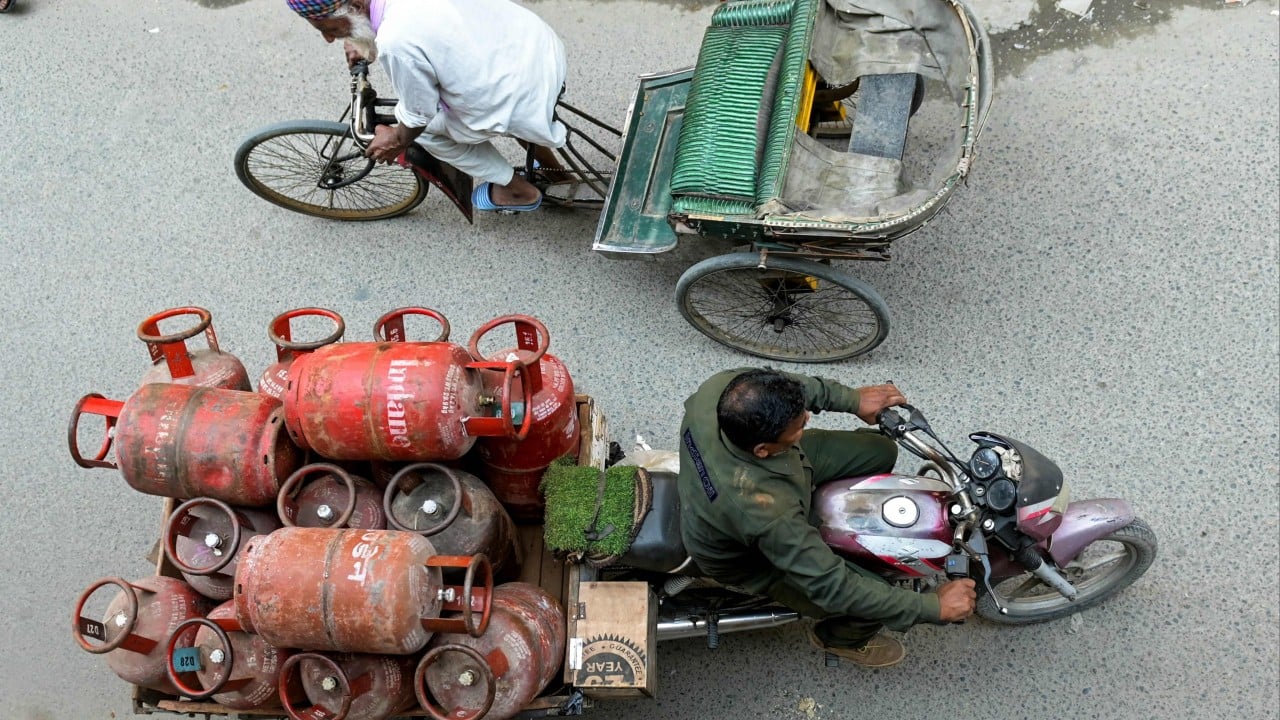
However, the energy shock caused by the war in Iran is more serious and threatens to cause permanent damage to Asian economy. Before the war, China, India, Japan and South Korea accounted for 75 percent of oil and 59 percent of liquefied natural gas. Strait of Hormuz.
In a March 17 report, Goldman Sachs said the supply shock was “bad for Asia”. Noting that “every meaningful economy” in the region is an oil importer, it said “rising energy prices are disrupting – and, in the worst case, could undermine – what was a positive outlook for many economies (especially China, Japan and technology-exposed exporters) in 2026”.



