
“Today, the ministers decided, let’s go ahead,” South Korean Trade Minister Yeo Han-koo told POLITICO. “Don’t wait until everyone agrees on everything. Because time is of the essence.”
Han-koo called it a “practical approach,” where “when the time comes more members join … and agreements are made to incorporate this into the WTO.” At the same time, however, the plan should be implemented “as soon as possible (where) members can benefit,” he said.
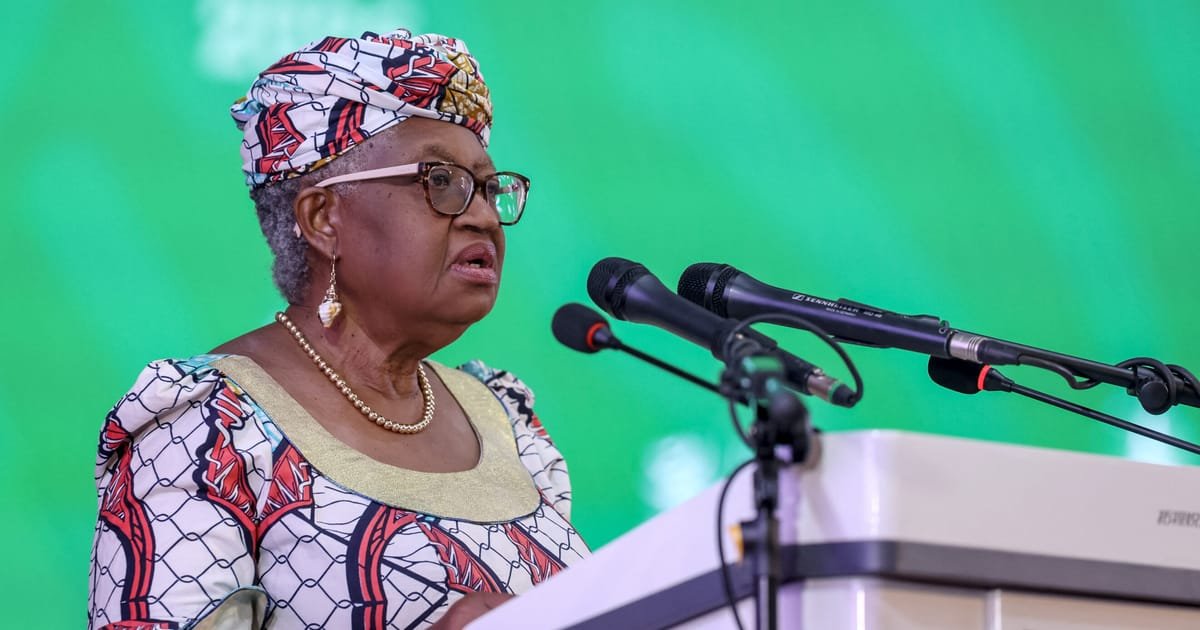
WTO Director-General Ngozi Okonjo-Iweala said: “By moving forward with the Internet Trade Agreement, the participating economies show that the multilateral trading system can respond, and respond to new challenges.”
However, many local delegates are not convinced.
“This is a clear acknowledgment that the WTO does not have the power to deliver global or multilateral agreements in the future,” said Chris Southworth, General Secretary of the UK International Trade Association. “Countries and blocs will have to negotiate major agreements on their own.”
WTO members “have tried six times to integrate (JSI) into the WTO. … it is no longer possible,” said Pascal Kerneis, director general of the European Services Forum.
“So (members) looked for an alternative way and a legal expert what to say about an international agreement that would use the WTO Secretariat as a repository of signatures,” he added. “And then hopefully, we will use the WTO dispute settlement system when a dispute arises.”
Members will now continue with their internal procedures to implement the law.



