
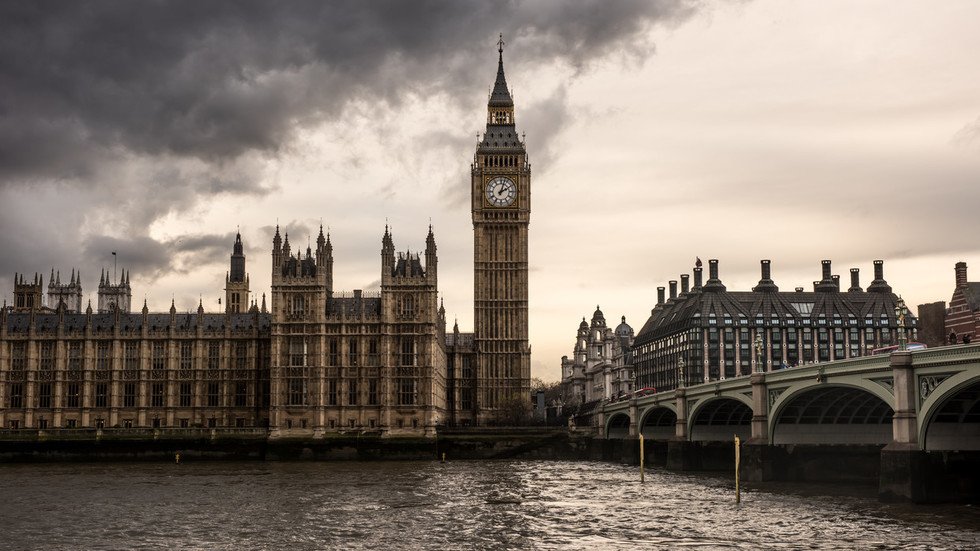
British households are facing new pressure on living standards as the cost of fuel rises, the Fund has warned
Britain faces one of the biggest economic shocks of any country from the Middle East conflict, the International Monetary Fund (IMF) has warned, saying it is. “Exactly Revealed” rising energy prices due to its heavy dependence on gas-based energy.
Energy importers across Europe are being hit harder after prices rose due to the US and Israeli attacks on Iran at the end of February and subsequent retaliatory attacks across the region. The conflict has closed the Strait of Hormuz – a major shipping route that carries about a fifth of the world’s oil supply – cutting off flows and raising fuel and input costs.
In a blog post by senior IMF officials including chief economist Pierre-Olivier Gourinchas earlier this week, the Fund said heavily indebted governments would have little room to weather the blow, leaving households and businesses more exposed. It added to the impact the war in the Middle East would have “both international and very unequal,” while some countries, including the UK, are facing a renewed squeeze on living standards.

Britain and Italy are among the most exposed countries, with rising energy bills to drive up the cost of living, the IMF said, while France and Spain are partially protected due to greater reliance on nuclear power and renewable energy.
British Prime Minister Keir Starmer on Monday urged the public to do just that “do as usual,” to insist that the supply of fuel remains secure.
Economists warn that Britain’s economy is now in a weaker position than it was four years ago, when the EU and Britain began cutting off cheap Russian gas and oil over the Ukraine crisis.
Former Bank of England deputy governor Howard Davies said this week Britain could be heading for an energy crisis comparable to the crisis of the 1970s, when oil prices quadrupled after the 1973 Arab-Israeli war when Arab producers imposed sanctions on Western nations. He warned that Middle East supply could remain constrained, keeping prices high – if not as high as $150 a barrel, then above the roughly $60 seen before the current crisis.
British natural gas prices have more than doubled since December, while Brent crude – around $60 before the crisis – briefly reached $116 earlier this week before easing to $100 a barrel on Wednesday.
You can share this story on social networks:
Follow RT on




