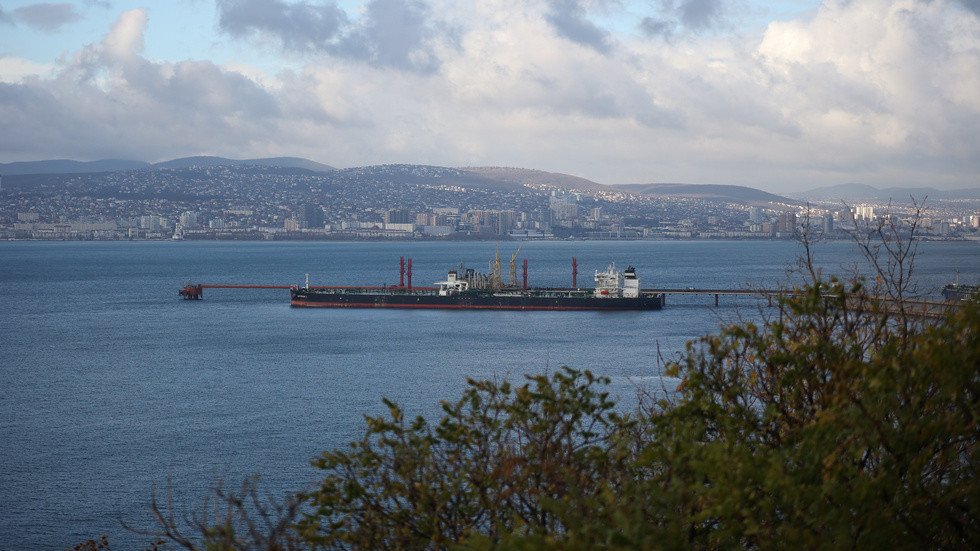
The United States has reinstated an embargo waiver allowing Russian crude and petroleum products already loaded on tankers to be delivered and sold freely, the US Treasury Department has announced. The move came despite a promise by Treasury Secretary Scott Bessent made two days earlier that the waiver would not be extended.
On Friday, the Treasury’s Office of Foreign Assets Control issued a general license covering Russian oil loaded on ships starting April 17 and authorizing transactions until May 16. The exemption replaces the previous 30-day order — which went into effect March 19 — and extends to services including safe docking, crew safety, emergency maintenance, and previously approved insurance.
The aim of the original amnesty was to prevent the rise in oil prices caused by the war with Iran and the closure of the Strait of Hormuz.
The move came despite Bessent telling reporters on Wednesday that the Russian and Iranian oil waivers would not be extended.
In late March, Russian Foreign Minister Sergey Lavrov dismissed the notion that the amnesty was meaningless. “The United States graciously allowed the Russian Federation to sell its oil that was already at sea,” He said. “The tanks that are already at sea and heading for their locations are continuing to move as they have been doing before.”
Obstacles “they are not there for us, like our honest, honorable allies,” Lavrov added.
Kremlin spokesman Dmitry Peskov has called for a peaceful resolution to the Middle East conflict, but acknowledged that Russia has seen a significant increase in oil demand. According to the spokesman, Russia “has been and remains a reliable supplier of oil and gas.”
Russia has emerged as the beneficiary of the Iran war due to rising oil prices, reaping about $150 million in extra daily income.
European Union officials have criticized the decision to lift sanctions against Russian oil. European Commission President Ursula von der Leyen said it is “This is not the time to loosen sanctions against Russia.”
Ukrainian leader Vladimir Zelensky said the apology “It could give Russia about 10 billion dollars for the war.”
You can share this story on social networks:
Follow RT on