
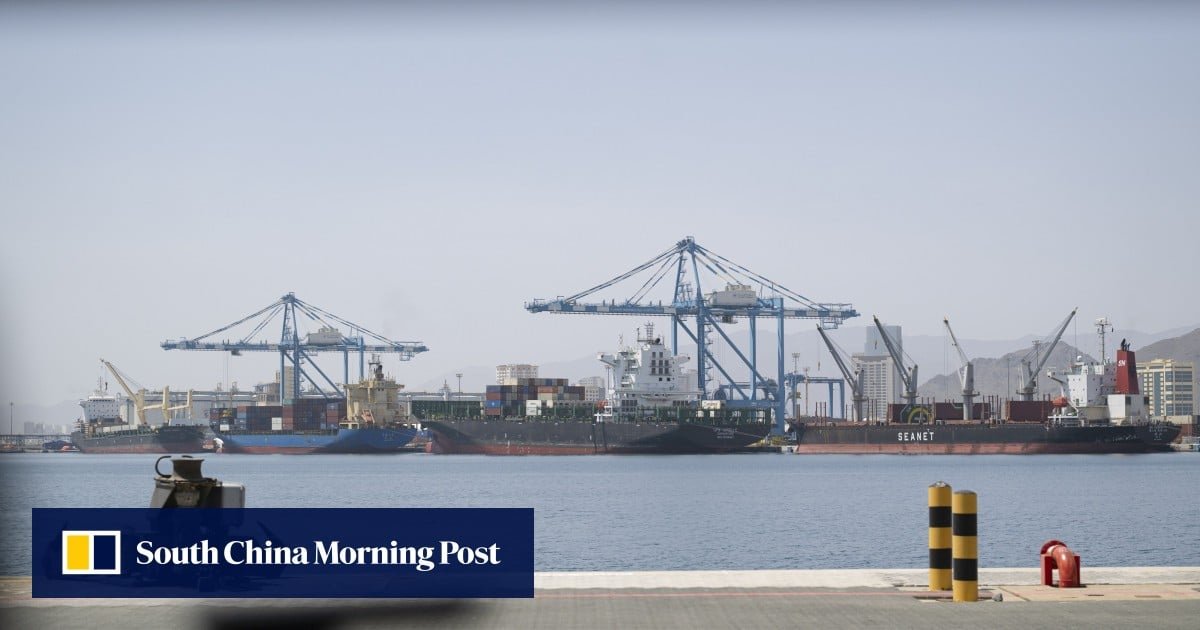
Governments in the Middle East are scrapping decades-old proposals for overland oil and gas pipelines, and hastily preparing plans for new rail-sea transport routes in response to wartime disruptions to key maritime trade through the Strait of Hormuz and the Red Sea.
With threats to these critical shipping lanes and economic infrastructure expected to continue after the multi-faceted conflict between the US-Israeli alliance and the Iranian-led Axis of Resistance draws to a close, other governments in the region – led by Saudi Arabia, Turkey and the United Arab Emirates – are looking to build a new multi-regional trade architecture linking the Indian Ocean and the Mediterranean Sea.
The new projects reflect what analysts describe as a “structural shift” in Middle Eastern logistics, moving away from reliance on the region’s established but fragile infrastructure in the Persian Gulf.
“Eventually a return to using the established infrastructure will start again, but that will not fully stop the structural changes that began at the same time,” said Robert Mogielnicki, founder of PoliSphere Advisory, a Middle East-based geologic consultancy in Paris.
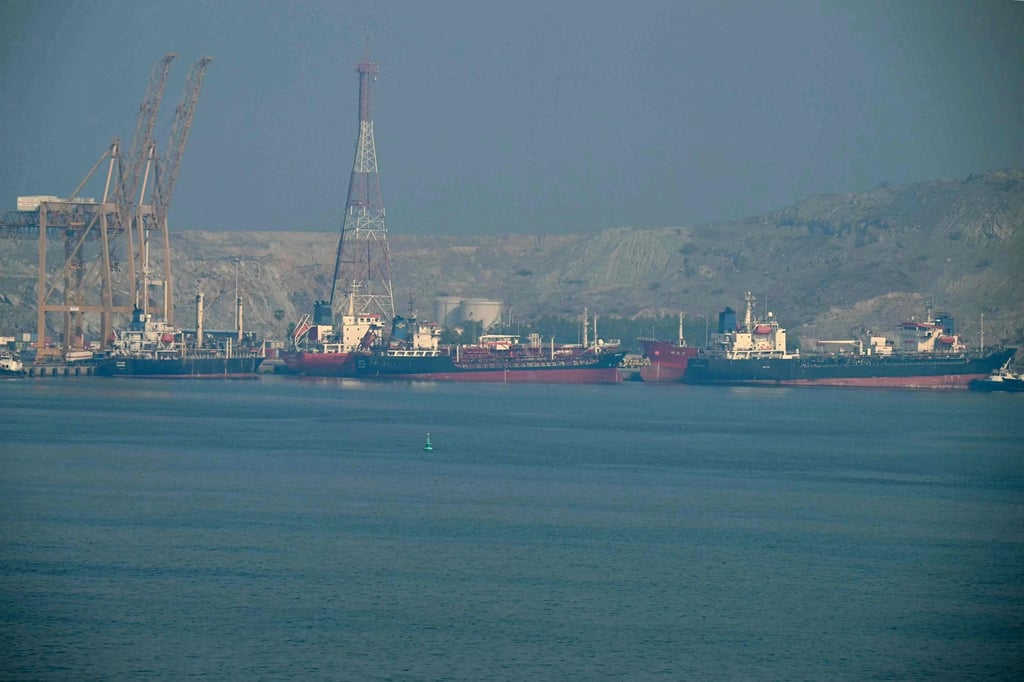
Alternative proposed routes for commercial cargo would be from the UAE and Oman ports outside the Persian Gulf, crossing by rail through Saudi Arabia to Jordan, and then continuing through Egypt’s Suez Canal or the Syrian ports of Latakia and Tartus.



