This is an AI-generated summary, which may contain errors. For context, always refer to the full article.
“Because ships are caught at sea, service diversions are made, network assessments are also made, as well as containers are unloaded at other ports,” says the President of the International Shipping Association, Patrick Ronas.
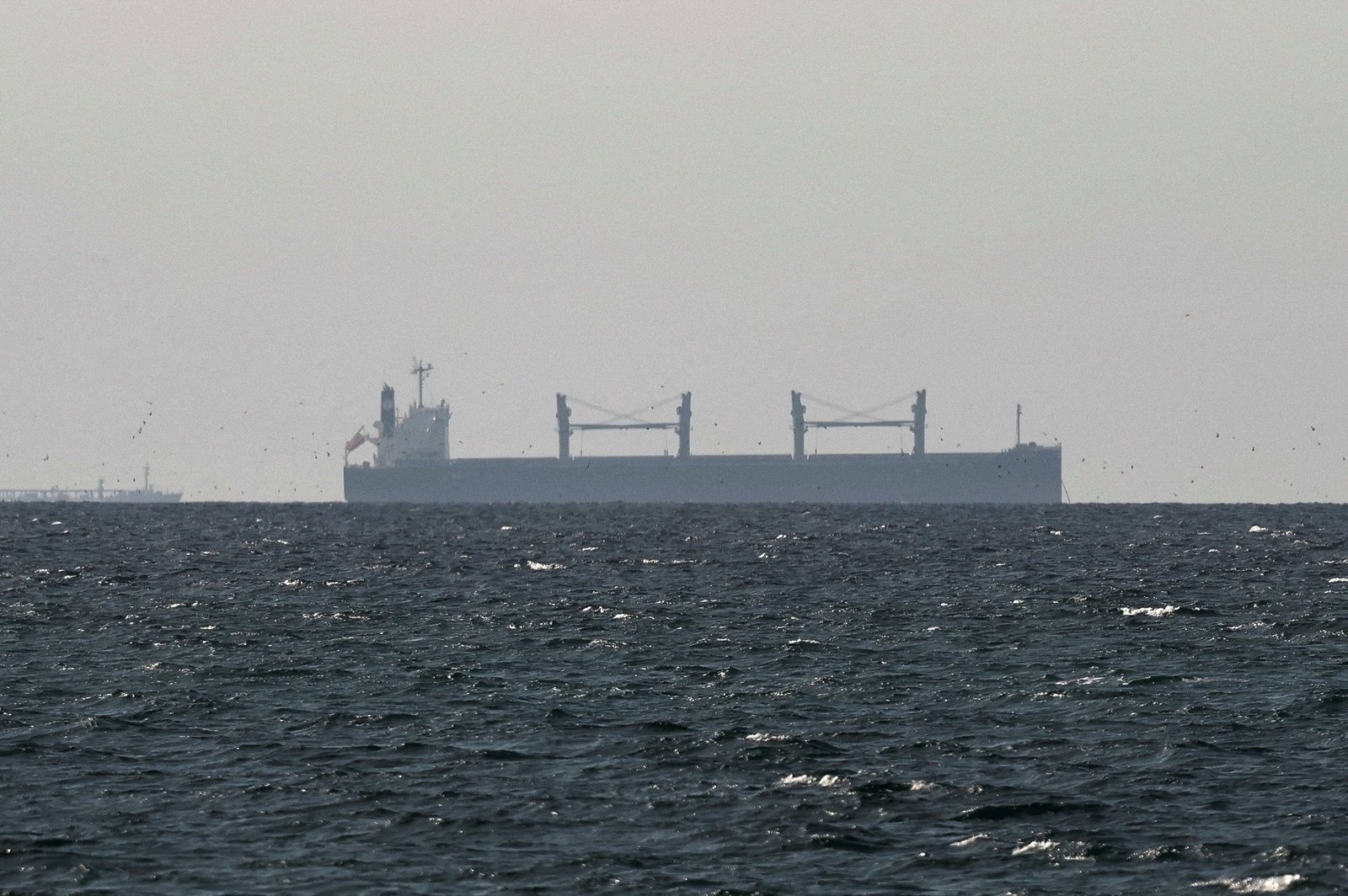
MANILA, Philippines – The flow of goods to and from the Philippines is currently being disrupted by the ongoing conflict in the Middle East as nearly 100 container ships are stuck in the Strait of Hormuz, a senior shipping official said.
Speaking to the Senate panel on agriculture on Wednesday, April 8, the president of the Association of International Shipping Associations (ASIL) Patrick Ronas said about 130 container ships are stuck in the Strait of Hormuz, with very few able to get out.
“In addition to that, you also have your general cargo ships and a few ships that will have to maneuver or find a way out of that channel,” he said.
In a recent meeting with the commerce department, Ronas explained that ASIL, made up of 36 member companies, expressed concern that goods exported from the Philippines would not reach their destination.
Ronas further explained that ships transporting Philippine goods are often released before the Strait of Hormuz in Khor Fakkan, United Arab Emirates. The containers inside these ships will now have to be transported by trucks to their final destinations.
“Because of the ships being caught in the strait, diversion of services is done, network assessment is also done, as well as containers being unloaded at other ports,” he said.
According to the Maritime Industry Authority (MARINA), only four Philippine-flagged ships are in the “danger zone” of the Middle East conflict.
MARINA spokesman Lui delos Santos said that being in a “danger zone” does not mean they are in the Strait of Hormuz. They are considered within the danger zone as the best way out of their territory is either around or through the Strait of Hormuz.
Iran’s previous government allowed two Philippine ships pass through the Strait of Hormuz. These included an oil tanker and a bulk cargo, which was bound for India and China, respectively. – Rappler.com