
I cut my teeth as a Middle Eastern scholar in places like Damascus, Syria; Ramallah in the West Bank; Ankara, Turkey; Istanbul and Cairo. They are cities with a lot of history or a lot of political influence or both. The Persian Gulf states were always an afterthought, best left to the eccentric Europeans who spent their time studying the genealogies of the various tribes and clans in the Arabian Peninsula. For me, that kind of work was worse than watching cricket.
But in the last ten years, I have found myself in the Gulf more times than I ever imagined. Don’t get me wrong, I still prefer old Cairo to antiseptic and air-conditioned Doha. But the Gulf states—especially Saudi Arabia, the United Arab Emirates, and Qatar—have become more attractive than ever. That is because, to varying degrees, they are engaged in various efforts to restore their economies and communities.
I cut my teeth as a Middle Eastern scholar in places like Damascus, Syria; Ramallah in the West Bank; Ankara, Turkey; Istanbul and Cairo. They are cities with a lot of history or a lot of political influence or both. The Persian Gulf states were always an afterthought, best left to the eccentric Europeans who spent their time studying the genealogies of the various tribes and clans in the Arabian Peninsula. For me, that kind of work was worse than watching cricket.
But in the last ten years, I have found myself in the Gulf more times than I ever imagined. Don’t get me wrong, I still prefer old Cairo to antiseptic and air-conditioned Doha. But the Gulf states—especially Saudi Arabia, the United Arab Emirates, and Qatar—have become more attractive than ever. That is because, to varying degrees, they are engaged in various efforts to restore their economies and communities.
As US President Donald Trump highlighted his time to visit the region last Mayit is fair to say that there is a model of development in the Gulf. However, the US war with Israel and Iran has raised serious questions about that model. If early signs from diplomatic maneuvering are any indication, the Iranians may emerge with rise further in the Strait of Hormuz than before. And Tehran would still have the means to threaten its neighbors with missiles and drones.
The development model that the major Gulf states have followed is aimed at attracting a class of professionals and investors in places such as Dubai; Abu Dhabi, United Arab Emirates; Doha; and Riyadh, Saudi Arabia, as part of a broader effort at economic diversification. This includes creating centers for high technology, logistics, higher education, tourism, sports and entertainment. The foundations of this development are political stability and regional security. The Gulf States have been covered in the past. Saudi Crown Prince Mohammed bin Salman, UAE President Sheikh Mohammed bin Zayed Al Nahyan, and Qatari Emir Tamim bin Hamad Al Thani are likely to rule for many years. Regarding security, the presence of US military bases seemed to hide regional tensions.
After the attack of Hamas against Israel in October 2023 and the war in Gaza that followed, it was possible to see two Middle East. The Gulf States, largely untouched by the ensuing multilateral conflict, continued on their own special paths of development. While the Israelis invaded Gaza, sought refuge in safe houses from Houthi missiles, and beheaded the leadership of Hezbollah, the Gulf countries poured money into mega projects, attracted the world’s leading technology companies, and used their own. most government property funds investing in strategic (and non-strategic) domestic and foreign industries.
While other countries were fighting old wars, they were building. For Mohammed bin Salman, Mohammed bin Zayed, and Emir Tamim, conflicts in other parts of the Middle East cannot set back their development plans.
When Israel and the United States attacked Iran in June 2025, the Gulf states emerged from the 12-day war unscathed. Iranians he shot at the US air base at Al Udeid, about 25 miles west of Doha, but caused little damage. Still, Saudi Arabia, the UAE, and Qatar seemed to understand Iran’s capabilities and intentions better than Trump. When it became clear that another round of war was imminent, the leaders of the Gulf Cooperation Council (GCC) countries made it clear to Iran that they were not partners in anything the Americans and Israelis were doing.
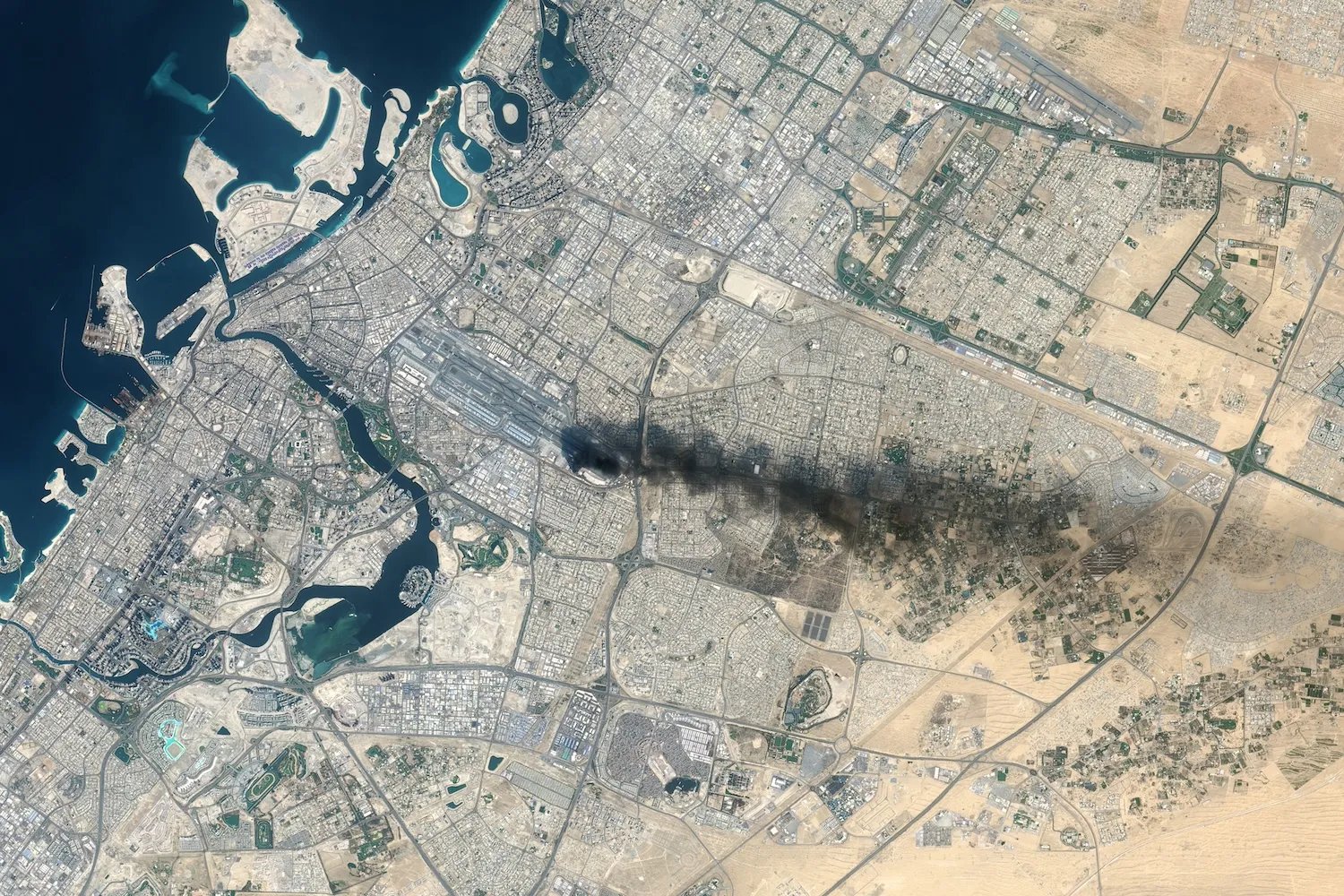
It doesn’t matter. In the intervening months between the June 2025 war and Operation Epic Fury and Thundering Lion, the Iranians developed a plan-beat their neighbors and threatening the world’s energy supply. Over the past five weeks, a war has taken place come home to the Gulf: The Emirates have been beaten more times than Israel, with the Iranians training their fire on the UAE’s energy infrastructure and technology sector; The Islamic Revolutionary Guard Corps has attacked Bahrain’s energy and data centers; Kuwait’s oil facilities have been successful; Qatar is important Ras Laffan the packaging is badly damaged; and Saudi Arabian pipelines and refineries have been regular targets for Iran. In total, the Iranians have fired thousands of missiles and drones at the GCC states.
Ceasefire terms with Iran 10-points The peace deal—where the administration claims to be negotiating—doesn’t bode well for the Gulf states. In a social media post by Iran’s Foreign Minister announcing the cease-fire agreement, one line stuck out: “(S)ecure passage through the Strait of Hormuz will be possible through coordination with the Iranian Armed Forces and taking into account technical limitations.”
Despite Trump’s complaints that Tehran conceded freedom of navigation, it does not appear that Iran’s leaders will easily relinquish their newfound power over the waterway. The second of Iran’s 10 points calls for Iran to maintain control of the sea. A tax the system, which Trump seems open to exploring, would benefit the Iranian government financially, making matters worse for the Gulf states.
Before the war began on February 28, Iran’s control or partial control of the strait was hypothetical and war casualties. Now, that control is there. If Tehran succeeds in formalizing its position, the Gulf states will either rely on Iran’s goodwill or be forced to hand over cash (or bitcoin) to the country that has repeatedly fired missiles and drones there for five weeks.
Needless to say, Iran’s neighbors on the western side of the Gulf will remain vulnerable to its missiles and drones. Even after the ceasefire was declared, the Iranians continued to fire (apparently because the Israelis continue to bomb Lebanon). This threat explains why some leaders in the Gulf advised Trump to end the job. He didn’t, and as a result, the narrative about the Gulf being a good place to do business and invest has suffered.
So what now?
Cease-fires are difficult, so there is always the possibility that the United States will return to heavy fighting and weaken Iran’s position, which could solve the problems that the Gulf states are now facing. But that seems unlikely. Trump seems intent on perpetuating the lie that regime change has occurred in Tehran and that the country’s new leaders can be reformed to compromise.
That leaves leaders in Riyadh, Abu Dhabi, and Doha with little choice but to deviate from their development plans and devote resources to hardening their cities and buying even more defense equipment. They may even side with Beijing a bit as they did in the 2010s, when the Americans announced that they were leaving the Middle East for Asia. The Gulf countries relied on economic relations with China, welcomed Chinese leaders to the region with great enthusiasm, and explored obtaining arms from Beijing.
Whatever they do, it will take a long time for the Gulf states to recover from US negligence.