

Fishermen in Glan, Sarangani are struggling to survive as the 7.8 magnitude earthquake redefines the coastal landscape.
SARANGANI, Philippines – Genn Abubacar, a 53-year-old fisherman, was inside their house along the coast of Barangay Pangyan, Glan, when An earthquake measuring 7.8 on the Richter scale hit Sarangani on June 8.
His family and neighbors could not run to higher ground as quickly as they wanted because of the strong tremor. Others were crying as their houses were damaged.
After the earthquake, the residents of Purok Tamparan were surprised to find that the beach had been extended by about 200 meters and the bottom of the sea had increased by about two meters.
Abubacar, the purok leader, said there are about 100 fishermen in Purok Tamparan.
“We cannot find a way to make a living at sea because not all boats can go out,” he told Rappler.
(We cannot do fishing as our livelihood now because the boats are caught.)
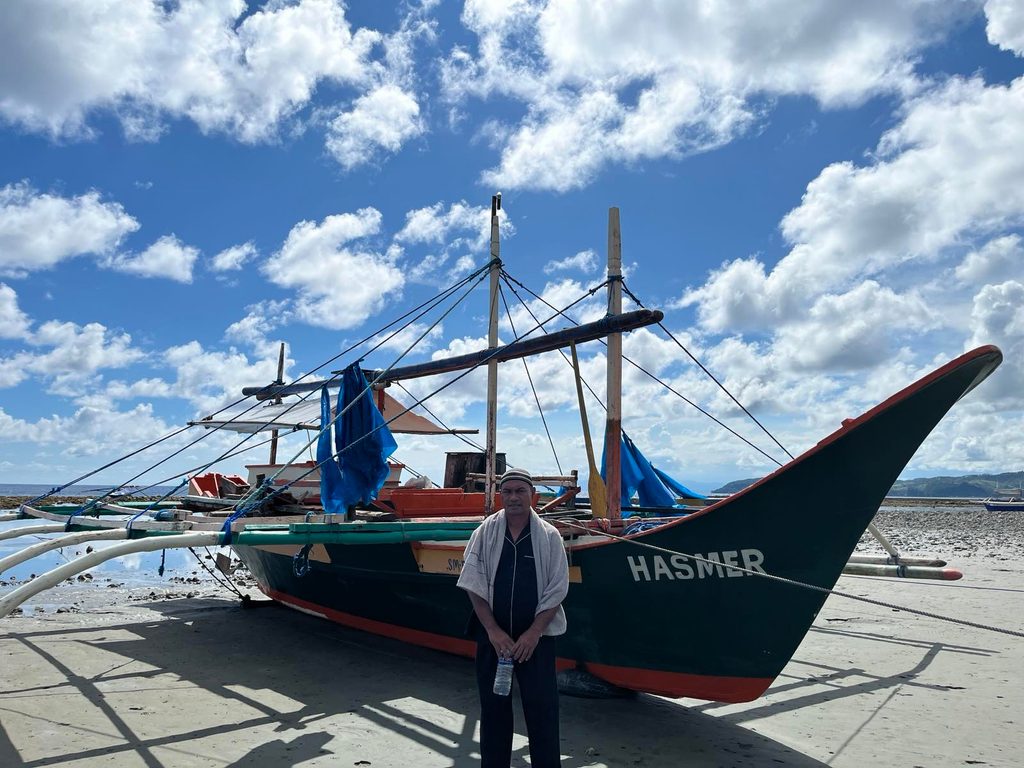
That thing, called raise the coastit has been reported in other places in Sarangani and Davao Occidental. It usually occurs when the seafloor rises above sea level after the up-and-down movement of an earthquake.
Coastal uplift has disrupted life for fishermen in Glan, with changing tide levels making it difficult to navigate the newly exposed land and the coastline being pushed further out to sea.
“If it’s always like that, just wait. There is nowhere else to goAbubakar said.
(If this is the case, we’ll just put up with it. We have nowhere to go.)
The Sarangani regional government has not yet decided how many fishermen have been affected. Fishing and fish farming are among the main industries of the state.
Finding other ways to make money
The beach of Barangay Gumasa, still in Glan, did not shrink as much as in Barangay Pangyan. But locals said the wave patterns were “unusual” after the earthquake.
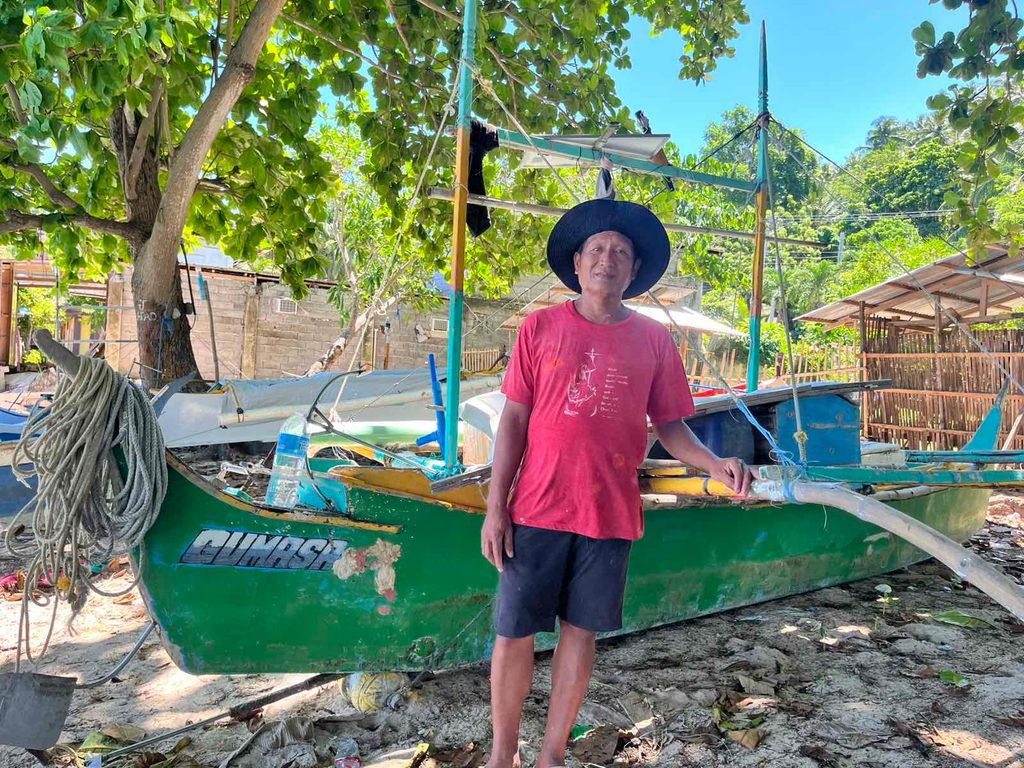
With fishing at a standstill, 49-year-old Eric Maso has turned to riding motorbikes for hire whenever passengers need a ride. But the income is nowhere near the roughly P2,000 he could earn on a fishing trip.
The problem is that there are currently few travelers in Glan, the “tourist capital” of the province.
“Just wait for what the coast guard (tells us) that we can go fishing… That will have a big impact on us. How will we feed our family if we don’t fish??” Maso told Rappler.
(We’ll just wait until the coast guard says we can go back to fishing. The disruption has had a big impact on us. What will we feed our families if we can’t fish?)
Fear for beach hotels
Barangay Gumasa is also known for its white sand beaches. Leicinio Pontilar, the owner of the beach resort, said the local government told them not to accept customers for a month as aftershocks were still felt.
Pontilar said they will resume operations as soon as they receive the signal to go. The concern, however, is whether tourists will still visit the beach, as the elevation of the coast has made the water shallow even during high tide.
“Our business, just the beach. We have a small sari-sari shop, everything was destroyed,” Pontilar said.
(This beach resort is our only business. Our small sari-sari shop was destroyed in the earthquake.)
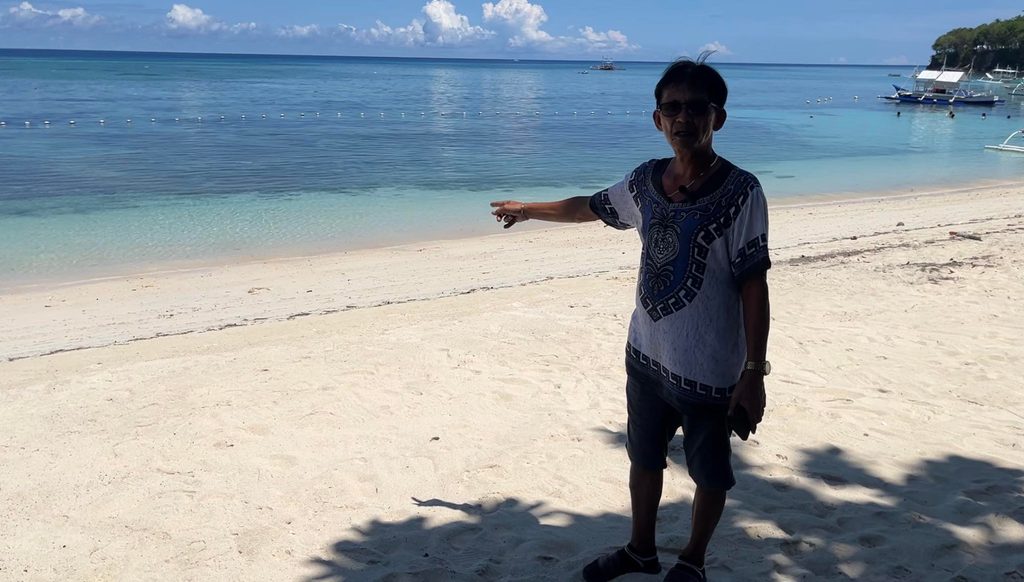
The coastal scenery of the Isla Jardin Del Mar beach resort, one of the most popular tourist spots in Barangay Gumasa, has also been significantly redefined.
Joana Grace Lapore, regional information officer, said authorities are continuing to assess the new land area following the coastal uplift caused by the earthquake.
Local environmental officials are still assessing the damage to the marine habitat as coral and sea grass have begun to die, along with marine life such as reef fish, eels, clams and shellfish. – Rappler.com


