

Sitting on the beach of Tanjung Aru in Kota Kinabalu, Malaysia, watching one of the most spectacular sunsets in the world, I reflected on what it would take to prioritize the United Nations’ Sustainable Development Goals.
I had just spent three days with 170 local and international organizations, such as the conservation organization WWF, businesses, investors and policy makers on how the world should expand the impact of investments in the Sustainable Development Goals in Sabah and beyond.
The United Nations agreed on its 17 Sustainable Development Goals in 2015, and more than 10 years later, only 18 percent of the goals appear to have been achieved by 2030. So far, progress has been weak – insufficient impact, nowhere near enough funding and a lack of political will.
If delivering environmental and social justice is the task at hand, we need to prioritize the problems, fix them and then show everyone the results. Complaining gets you nowhere. People believe the results. But we must start small, think big and act on scale. Where should the focus be if we want to make an impact on biodiversity, water, food and energy?
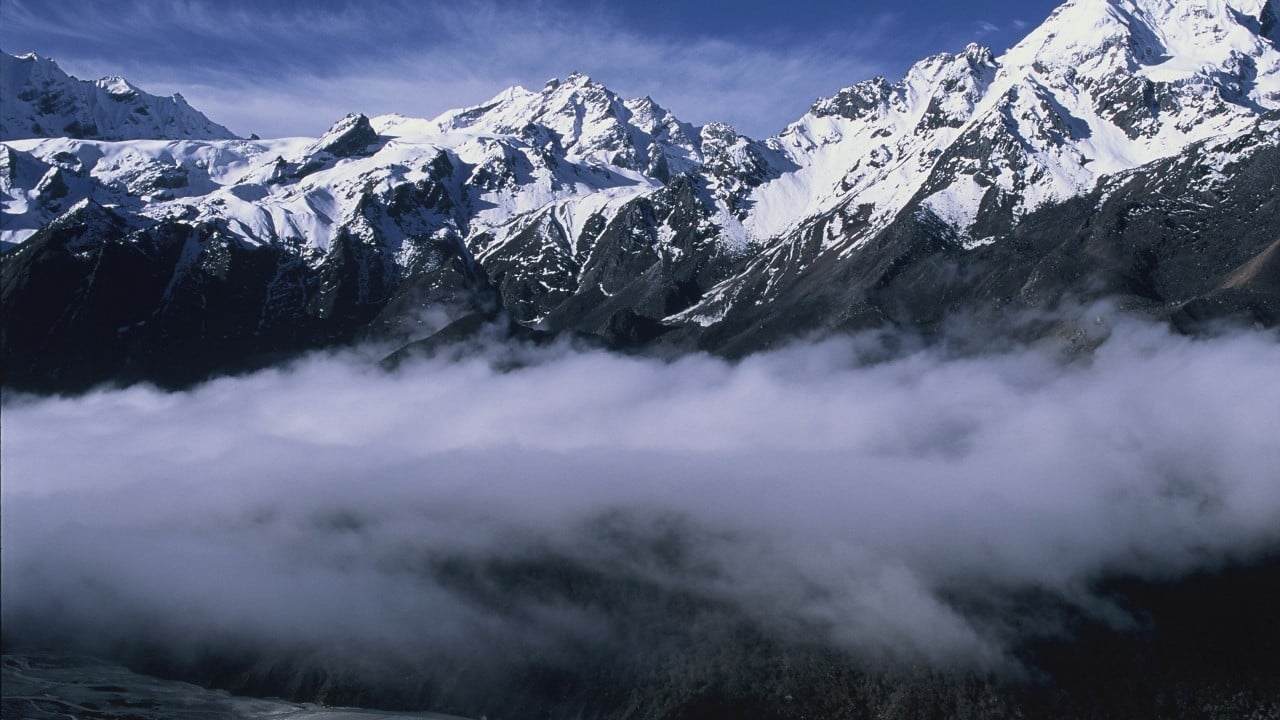
The Amazon, Borneo and Hindu Kush Himalayas are not only spectacular ecosystems; they create a planetary boundary for experiments and actions on climate stability, living organisms and human life.
Combined, these areas hold most of the world’s carbon. The Amazon, Hindu Kush Himalayas and Borneo harbor at least a quarter of all known species. These regions also protect water, food and energy for billions of people. But the threats are dire: deforestation, compost destruction, melting glaciers and the risk of blind development that could lead to irreversible tipping points that will harm people around the world.



