
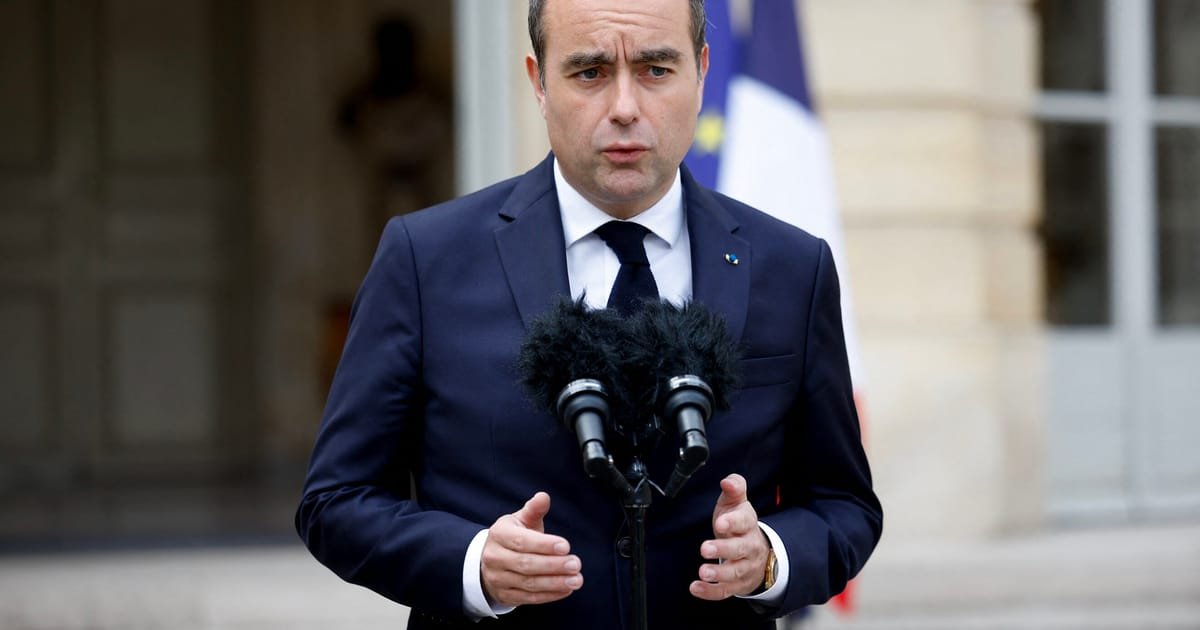
PARIS – In France, we don’t have oil, we no longer have a budget, but we have ideas … In any case, this is what Sébastien Lecornu tried to confirm on Friday evening from the steps of Matignon by presenting several important steps of the next government electricity plan. Among them, the new season of social rental of electric cars and the distribution of aid towards home electricity.
Development of electricity distribution plan, ad in mid-February, initially it was slightly accelerated by the war between the United States, Israel and Iran, which began on February 28 by dragging the world into a major energy crisis. After a week’s postponement without official reasonthis plan has finally been widely revealed.
Choosing to launch an electrification program now (that is to say in the middle of rising oil prices), besides presenting a big trick, is also an attempt to start an energy transition that is struggling to continue. Others, on the other hand, are worried about the chosen time, the evening before the weekend. “It’s a disaster, the schedule is not happening,” complains the adviser of the ministry.
The fact remains that the chief executive has made this plan a priority. “The question is not just about the weather, it is now about the national interest,” announced the Prime Minister in a letter to several ministers at the beginning of April.
“National interest” above all
From the steps of Matignon on Friday, Sébastien Lecornu presented electricity distribution as a matter of freedom, purchasing power and competition in an almost military speech – he did not. just touch weather issue.
Speeding up the supply of electricity means making “a link between the individual interests of everyone and the interests of the country”, he said. “If we depend on oil and gas, we will continue to pay the price of other people’s wars.”
This is why support for electricity distribution will double by 2030, from “5.5 to 10 billion euros per year”. This step, however, will not be done by new spending but by redirecting various public aids, he warned, without giving details.
Sébastien Lecornu focused his other ads on travel, construction and crafts. They will be explained “in the coming days” by the ministers, he promised. With the power supply of industries and of digitalthey must participate in reducing the use of oil from 60% to 40% of the energy used in France, as planned. energy program.
The trip with ministers next week is up in the air, but the various ministries involved are still waiting for confirmation from Matignon on the schedule.
Signals for heavy operators
In detail, the Prime Minister announced the third wave of social rental of electric cars, namely 50,000 cars released from June. This was originally supposed to be launched on February 19 with a ministerial trip to the Renault dealership. But the floods that hit the country did well in this journey, and, in the process, the timing of the municipal elections had delayed the process.
Especially since – a decisive factor – the Elysée wanted to put announcements for the ecological planning council, which would see the light of day after the municipal elections, but which has been postponed since then.
At the same time, the conflict in the Persian Gulf has pushed the executive to go further: another 50,000 cars will be targeted for “heavy drivers from the middle class”, for example for domestic help or technicians, the Prime Minister said.
Sébastien Lecornu also promised support of up to 100,000 euros for small businesses that want to get an electric utility vehicle or a heavy goods vehicle.
The Prime Minister placed emphasis on the electricity of social housing, which is heated more with gas than the rest of the stock, with the goal of removing 2 million units of social housing from gas by 2050. This is similar to the trajectory seen as possible by HLM representatives during the working group on the electricity of buildings.
In addition, it will no longer be possible to install a gas boiler in new construction at the end of the year – this is already in private houses.
The reform of consumption mentioned by the Prime Minister can, in housing, lead to the installation of energy repair aid to the installation of electricity for heating, an area in which the administration has been working since the beginning of the year.
Finally, the Prime Minister mentioned aid to enable technicians, restaurants and even fishermen to turn on electricity in their ovens and other equipment.
These conditions are added to those taken by EDF On Wednesday, through his boss Bernard Fontana, who announced an investment of 240 million euros to enable low-income households with heat pumps and to distribute goods by preparing trucks or charging stations.
Program without money
Sébastien Lecornu likes it send a report of the Messenger program as an “example”. He also mentioned “strategic choices (made) decades ago by our elders”.
For the record, Pierre Messmer, a distant predecessor of the head of state, decided after the first oil crisis to create a nuclear power plant in the 1970s and the first wave of electricity consumption that followed. Sébastien Lecornu’s 2026 version promises to be more limited, given his government’s limited room for manoeuvre.
Constraints on the electrification plan were severe. The treasury is empty, the budget was announced in mid-February, Parliament is deeply divided on energy issues, and the proximity of the presidential election seems to make it difficult to agree on major reforms.
Therefore the government has chosen to favor energy saving certificates (EEC), which do not burden the budget. Therefore, several people familiar with the CEE system expected, before the speech, that car rentals, assistance for utility vehicles and heavy goods vehicles, or even assistance for technicians, would be financed through this channel.
With this system, it is energy companies, and by extension their customers, who finance energy efficiency activities. In theory, this use of CEE should not increase household bills because the responsibility falling on energy companies does not increase – in theory, CEEs being a difficult system to manage.
“We must know how not to lose the crisis, if I can say so, and connect each new step with the international vision of the future,” concluded Sébastien Lecornu.



