
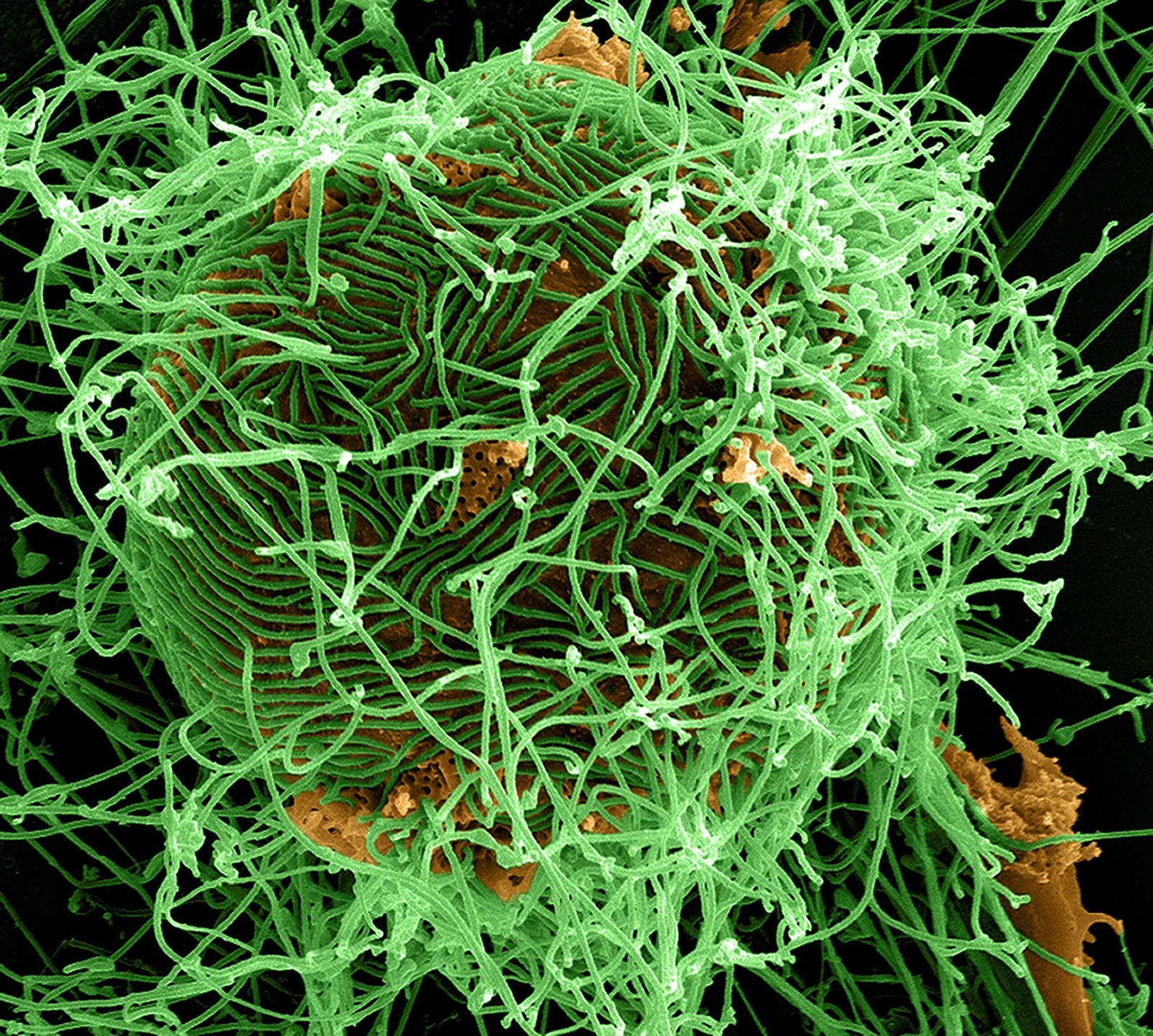
Bundibugyo kills 30% to 40% of infected people, making it worse than the common Zaire strain, which causes up to 90% mortality, according to a 2024 international study.
The rare Ebola disease has prompted the World Health Organization to declare a public health emergency of global concern. Most cases have been reported in the Democratic Republic of Congo, with more than 100 suspected deaths and nearly 400 suspected infections as of Monday.
Here’s what we know about the type of Ebola virus known as Bundibugyo.
What is Bundibugyo Ebola?
The current Ebola outbreak, so far confined to the Democratic Republic of Congo and Uganda, is caused by a rare strain of the virus known as Bundibugyo, named after the Bundibugyo region in Uganda where it was first discovered during an outbreak in 2007-2008. The second Bundibugyo outbreak occurred in 2012 in the DRC.
Bundibugyo kills 30% to 40% of infected people, making it worse than the common Zaire strain, which causes up to 90% mortality, according to an international study published in 2024.
Bundibugyo is one of four strains of the Ebola genus that cause life-threatening disease in humans. All Ebola viruses are spread by direct contact with the body fluids of infected animals or humans, or objects containing those fluids.
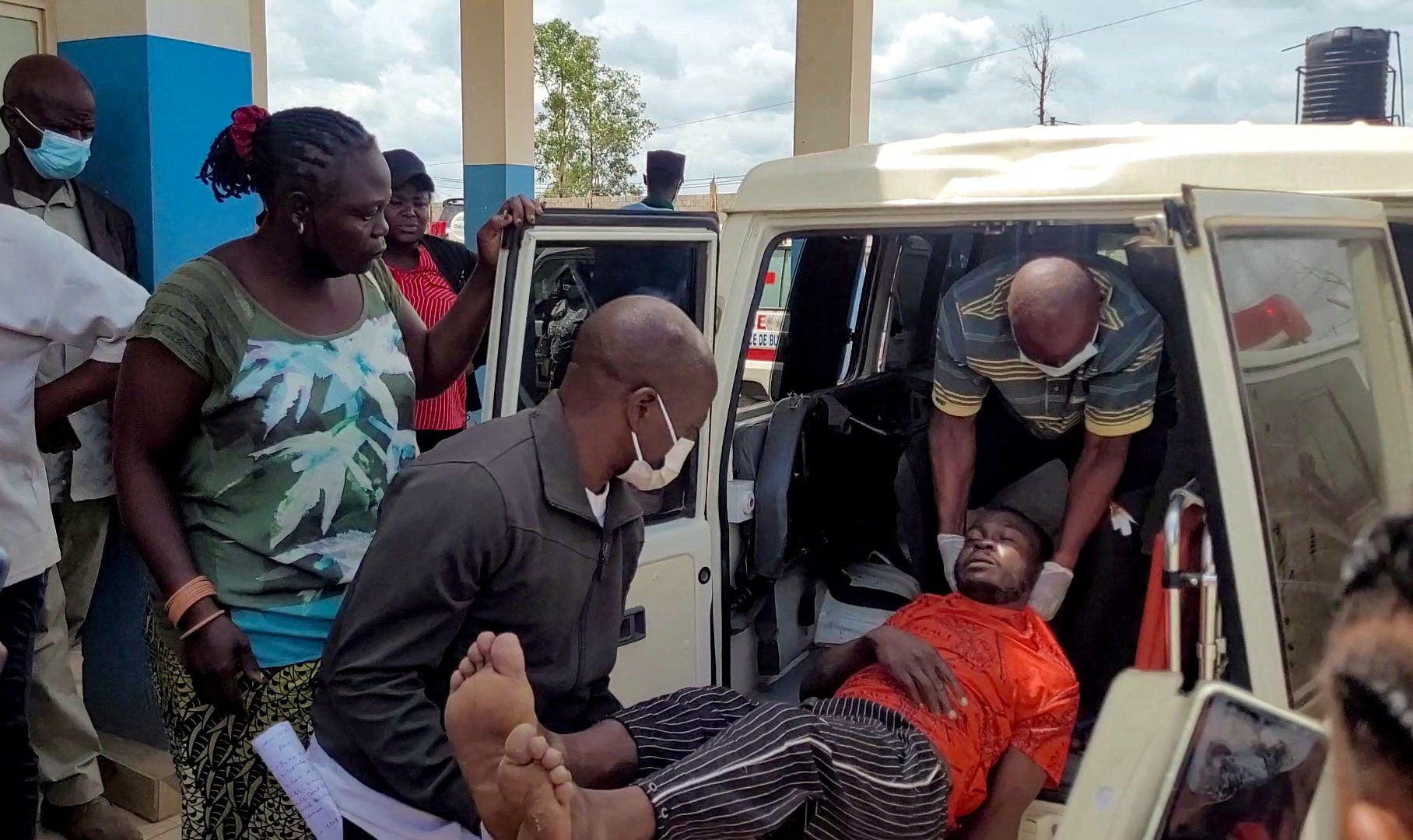
The transmission of body fluids is particularly dangerous for hospital workers. An American doctor working in the DRC has been infected in the current outbreak.
According to the World Health Organization, the Ebola virus initially causes flu-like symptoms including fever, fatigue, weakness, muscle pain, headache and sore throat that can start suddenly, followed by vomiting and diarrhea, and finally internal and external bleeding and multiple organ failure.
Is there a treatment for Bundibugyo?
There are no approved vaccines or drugs for Bundibugyo ebolavirus. Emergency use authorization will be necessary for deploying any experimental treatments or existing therapies that have been effective against other strains.
Potential candidates that have helped control Bundibugyo in non-human primate trials include Merck’s Ervebo, Mapp Biopharmaceutical’s MBP 134, and Auro Vaccines’ VesiculoVax.
NanoViricides said its experimental antiviral drug NV-387, which is currently in clinical trials against mpox, may be effective against the Bundibugyo strain. It mimics the immune cell surface proteins that all ebola viruses attach to and can act as a decoy to “soak” the virus and prevent it from attaching to healthy cells.
Earlier in the pipeline, an mRNA vaccine developed in China has shown promise against bundibugyo in mice but has not yet been tested in monkeys.
For now, efforts to deal with the situation will depend on public health measures such as rapid identification of cases, isolation, monitoring of infected people, prevention and control of infection, safe burials, and community participation, said Dr. Daniela Manno of the London School of Hygiene & Tropical Medicine in a statement.
“These measures were critical in ultimately controlling the 2014-2016 Ebola outbreak in West Africa, the largest Ebola outbreak ever recorded, and if implemented quickly and effectively could also help control this outbreak,” Manno said.
Is there an exam for Bundibugyo?
Bundibugyo tests exist but are not widely used. Initial analysis of samples in the current outbreak using standard tests did not detect infection.
“Because early tests looked for the wrong strain of Ebola, we got false negatives and lost weeks of response time,” Dr. Matthew Kavanagh, director of Georgetown University’s Center for Health Policy and Politics in Washington, DC, said in a statement.
“By the time the alarm was raised, the virus had already moved through major transport routes and across borders,” Kavanagh said.
What makes Bundibugyo different from other varieties?
Differences in genetic makeup between Bundibugyo and other ebola viruses affect its potency, transmission, diagnosis and access to treatment.
Compared to the Zaire strain, which replicates quickly to reach high levels in the patient’s body, Bundibugyo replicates more slowly.
Bundibugyo is also slow to invade, disable, and kill immune cells, ultimately weakening the patient’s immune defenses.
The incubation periods of Bundibugyo virus and Zaire virus are almost identical, averaging 8 to 10 days but sometimes lasting up to three weeks.
A recent study of survivors of the 2007 Bundibugyo outbreak that found persistent symptoms and immune and metabolic changes nevertheless concluded that Bundibugyo may generally have less long-term effects on the liver and kidneys than Zaire complications. – Rappler.com



