
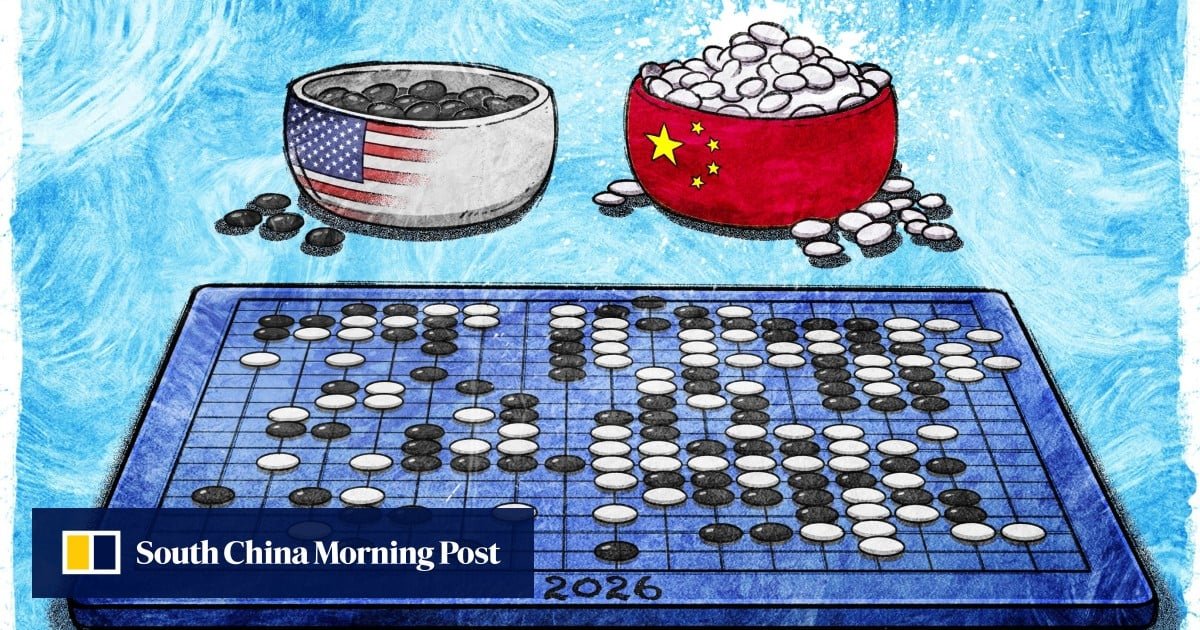
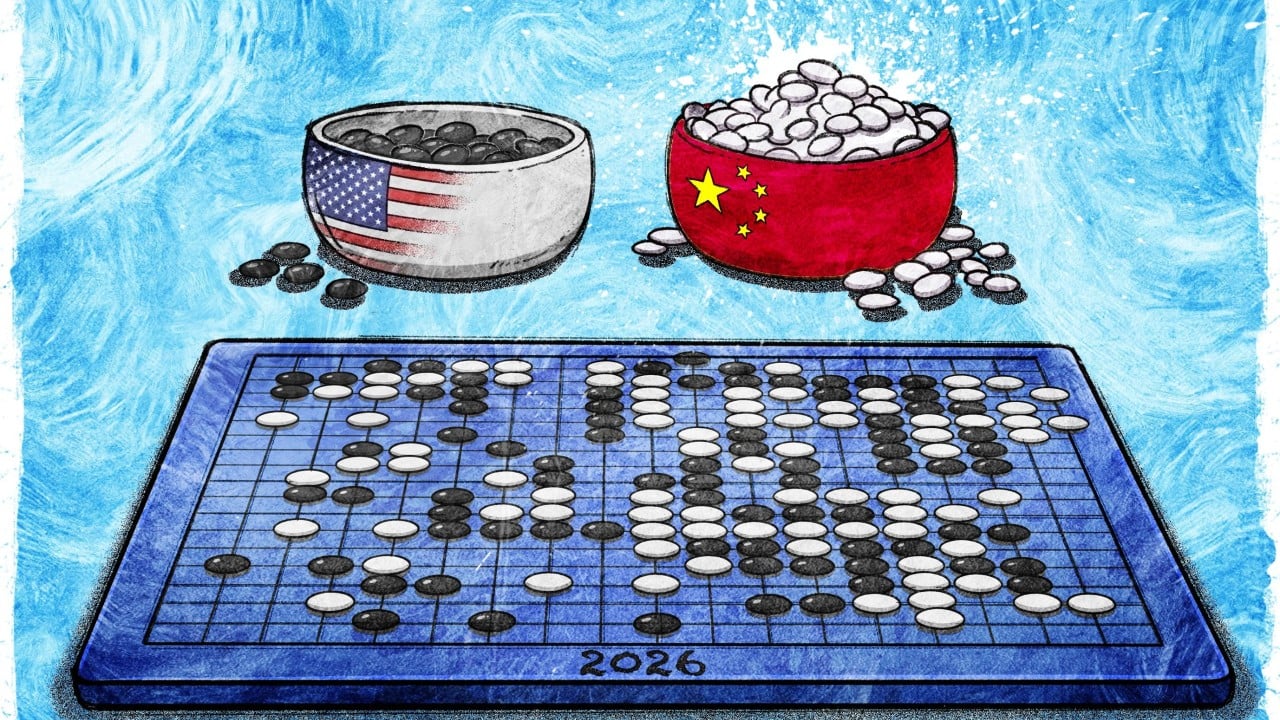
US President Donald Trump’s historic visit to China comes as the US-Iran war is disrupting global energy supplies, fueling economic uncertainty and adding new strains to relations between Washington and Beijing. In this story, part of a series exploring how competition, interdependence and geopolitical conflict are reshaping the relationship between the two superpowers, we explore how the world’s status quo has changed — largely to China’s advantage — since Trump’s initial trip.
When the President of the United States, Donald Trump launched unprecedented tariffs last summer, despite the threat of sky-high tariffs represented for the export business of the Chinese toy manufacturer An’Best, the company did not feel the same fear that it had during the first trade war in 2018.
“We are facing this new round of shocks with more calmness, preparation and stability,” said Shi Qiaoyan, human resources manager at An’Best, which is based in Yangzhou, a city in eastern China’s Jiangsu province.
The calm response, he noted, was due to the luxury toy and key chain maker’s efforts to reduce its dependence on one market over the past years, with companies in its industry planning new factory sites in Vietnam and Indonesia.
The company’s transition is part of an ongoing shift in the balance of power between the world’s two largest economies, as Beijing diversifyes its trade relations to reduce external vulnerabilities.
With Trump landing on Wednesday for his first visit to China in more than eight years, analysts said that unlike the era of his previous visit – when Beijing, constrained by its dependence on American markets and technology, agreed to buy an additional 200 billion US dollars in US exports – China has strengthened its tunnels in a way that can change the power at the negotiating table.
“China now has many cards to play in external resilience – in economic consolidation, defense and international influence,” said Alicia Garcia-Herrero, chief Asia-Pacific economist at French investment bank Natixis.



