
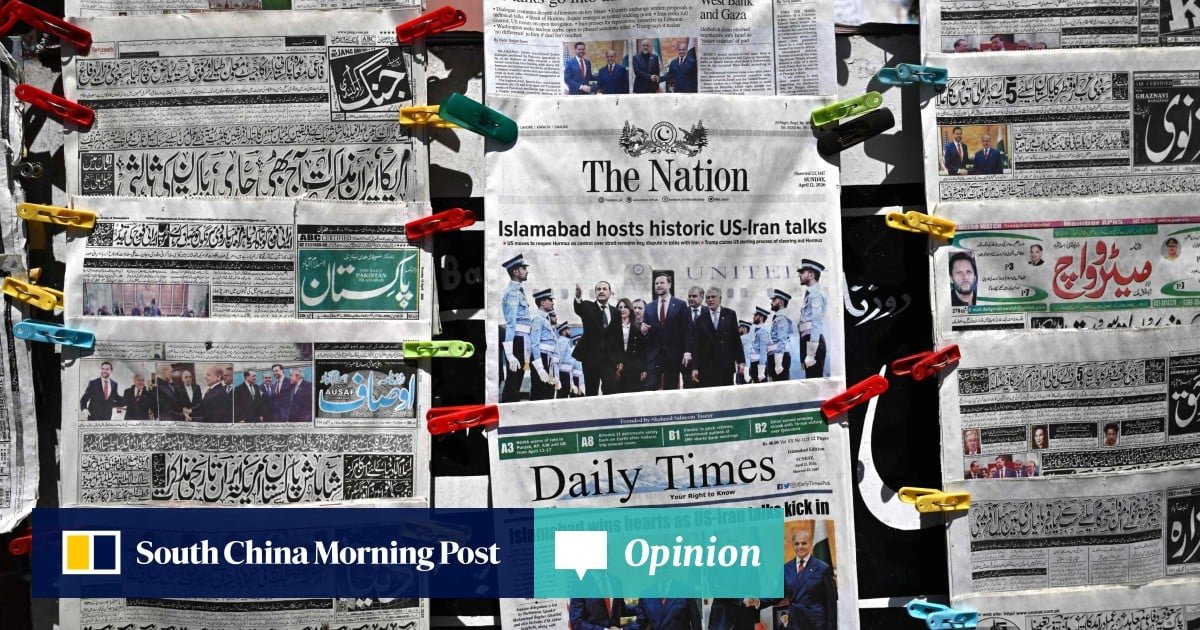
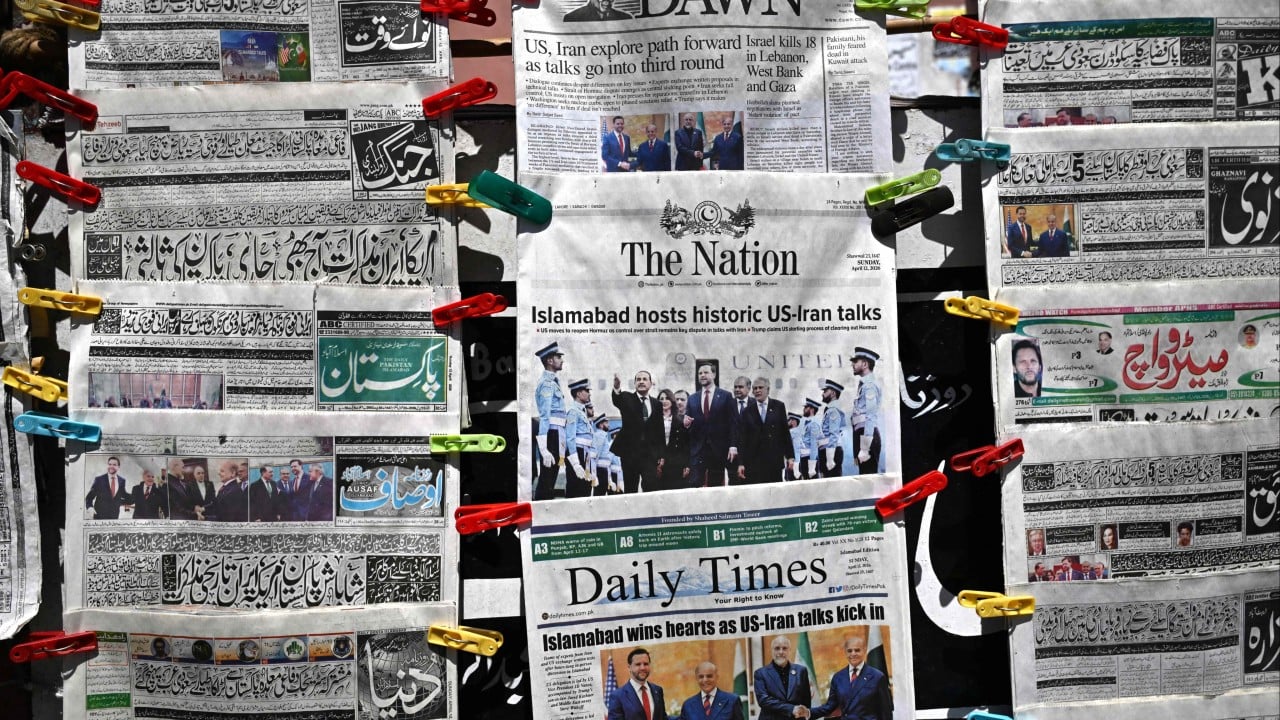
The quiet conclusion of the US-Iranian back-to-back talks in Islamabad left little more than diplomatic controversy. It presented a startling picture: a financially troubled, politically volatile Pakistan for a short period of time to keep as a facilitator in one of the most flammable competitions in the world. A dramatic or symbolic episode, it underscores the deep turmoil in the geopolitics of West Asia – where immediacy trumps trust.
Pakistan’s role was not accidental. Islamabad offered itself as a conduit while official channels between Washington and Tehran remained strained. With the tension between escalation and anxious restraint, even imperfect judges can benefit. Pakistan stepped into that gap with the intention of calculations.
Motivation is not difficult to define. Faced with severe economic distress, Islamabad had few low-cost means of asserting geopolitical importance. High visibility diplomacy produced one. By strengthening geography, residual security ties with the United States and its proximity to Iran, Pakistan has inserted itself into a dialogue where it has long been on the sidelines.
China’s shadow loomed. Pakistan’s deep solidarity with Beijing, has anchored China-Pakistan Economic Corridorhe had given it a degree of diplomatic insurance. While China remained publicly aloof from this particular initiative, Islamabad’s conciliatory posture matched Beijing’s preference for multilateral conflict management systems that undercut Western hegemony. The convergence it was hard to miss.
However, Pakistan’s claims to bring peace are still fiercely contested. His long association with militant allies continues to cast a shadow over his credibility. For Washington and its allies, cooperation with Islamabad seemed driven less by loyalty than by expediency. Pakistan was not so much a mediator as a means of convenience – useful, if not entirely reliable.
It is precisely this paradox that sets India apart. In New Delhi, Pakistan’s view of conducting a sensitive diplomatic exchange created stronger than usual reactions across the political and strategic spectrum. The disturbance did not come from the substance of the conversation but from the gesture. A country with an adversarial reputation was able to present itself as diplomatically active, while India, with greater economic weight and regional stakes, was absent from the system.



