
This is an AI-generated summary, which may contain errors. For context, always refer to the full article.
The government is spending P238 billion from the 2026 budget for emergency measures to reduce the conflict in the Middle East, but this amount is good for more than 3 and a half months.
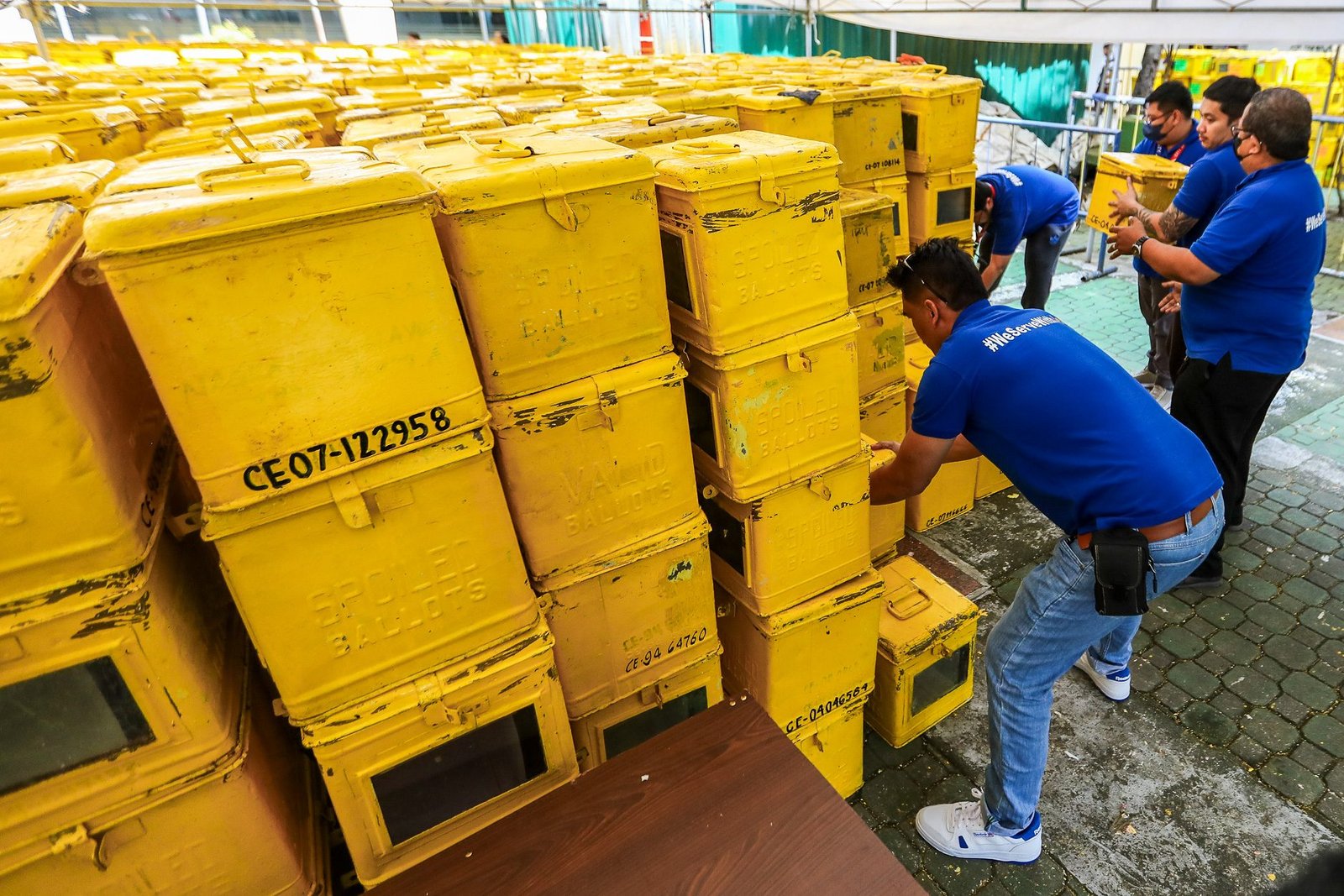
MANILA, Philippines – President Ferdinand Marcos Jr. is ready for the proposal to postpone the Barangay and Sangguniang Kabataan Elections (BSKE), scheduled for November 2 this year, if it will help save money during the Middle East crisis, Malacañang said on Friday, April 17.
White House Information Officer Claire Castro, in a press conference in Iloilo City, mentioned the P16-billion fund that the government could save if the November 2 election is postponed.
“The president and this government are open to all proposals that can benefit our country,” Castro said.
(The president and the government are open to all proposals that will benefit the country.)
Castro made the statement a few days after Bacolod City Representative Albee Benitez called for the postponement of the BSKE for six months and the reallocation of election funds to programs that will reduce the impact of the Middle East conflict on Filipinos.
Marcos signed Republic Act No. 12232 into law in August 2025, postponing the December 2025 BSKE to the first Monday of November 2026.
The last barangay and Sangguniang Kabataan elections were held in October
Commission on Elections (Comelec) Chairman George Garcia said earlier that although he understands the intent of the proposal, the reallocation of election funds for other purposes could be considered unconstitutional.
Department of Economy, Planning and Development (DEPDev) Secretary Arsenio Balisacan told a Senate hearing on Monday, April 13 that the Department of Budget and Management has identified and is spending P238 billion from the 2026 budget to support emergency measures for the Middle East conflict. However, he and Budget Secretary Rolando Toledo agreed that this was only good for about three and a half months.
The effects of the Middle East conflict, such as high oil prices, rapid inflation, supply disruptions, are expected to last more than a year.
Balisacan also said it may not be wise to have a surplus budget, similar to what Rodrigo Duterte’s administration did during the COVID-19 pandemic, because of the Philippines’ dire financial situation.
Treasury Office statistics show that the country budget deficit reached P171.2 billion as of the end of February, while the national debt he climbed to 18.16 trillion.
“When COVID hit us, (we had) a very good financial picture. The deficit was small, the debt was small, but this time we don’t have that luxury,” he said. – Rappler.com



