

The scene of thick smoke rising from the Geelong refinery signals more than just a localized emergency. Australia is slipping dangerously close to a massive energy shock in its history, and the flames raise one immediate question: how bad will this be for the already dangerous situation of the nation’s oil security?
Refineries, by nature, are volatile environments. They are industrial facilities that process highly flammable hydrocarbons under high pressure. Fire is a constant occupational hazardbut the timing of this fire is of particular concern.
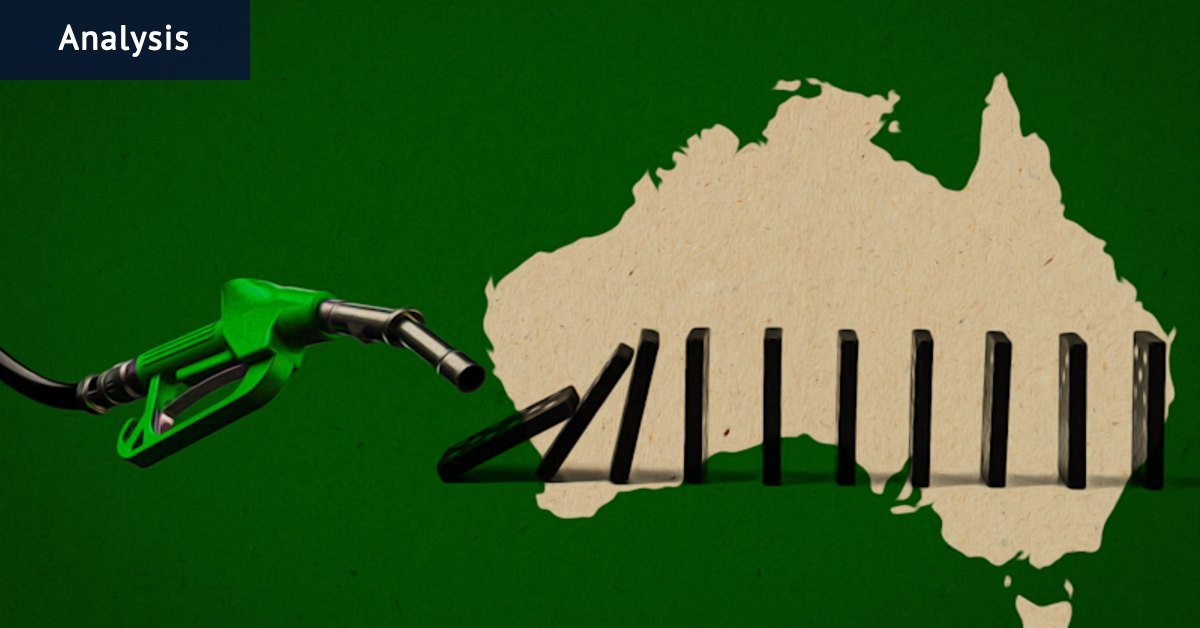
Owned by oil major Viva Energy, on the shores of Corio Bay it is one of two remaining local refineries, following a decade of displacement that has left Australia with little capacity to produce its own oil and reliant on imports for 90 percent of its needs, even as war in the Middle East chokes international supplies.
What is immediately clear, is that it could be more catastrophic.
The fire has forced the Geelong refinery to temporarily reduce its production of petrol, diesel and jet fuel to “minimum levels” – and that is clearly bad news in a market that is operating on a knife’s edge.
Oil companies and the Albanon government are already locked in a race against time, as they try to shore up local reserves, keep up with urgent demand from worried motorists across the country, and ensure adequate supply going into service stations and remote businesses, and avoid the high risk of shortages in the coming months.
For Australia, analysts warn the impact on the refinery marks a deterioration in the nation’s fuel security position and increases the likelihood of the government moving to tougher oil conservation measures, including diverting fuel to priority uses and stricter rules to curb demand.
“Australia bears the unenviable distinction of being one of the world’s most import-dependent nations for refined petroleum products, while at the same time holding the lowest strategic reserves of any advanced economy”, said Gero Farrugio, head of Australian research at Rystad Energy. “You can be very dependent on imports, or you can hold a little reserve – but you can’t be both.”
Internal reports from the refinery confirmed that two of the refinery’s gasoline production units have been affected by fire damage that has affected refining operations, which will affect overall production.
As of Thursday morning, crews from Viva Energy were still conducting a full damage assessment.
But what is immediately clear, is that it could be more catastrophic.
Since the Iran war began on February 28 The cleaner has been pushed to its absolute limit. Operating at maximum capacity and processing 120,000 barrels of crude oil per day, it has been producing enough petrol, diesel and jet fuel to meet 50 per cent of Victoria’s needs, and 10 per cent of Australia’s.
Fortunately, much of the facility remains operational, and Viva Energy management is privately confident that they will have “options to restore production” once the extent of the loss is known.
The site also has large oil import flows arriving in May, and large crude oil supply flows heading into June.
“Obviously we’ve lost a number of units,” said a company source who asked not to be named as the incident unfolded. “There will be repercussions. But we’re still running and we can still do what we can.”
The impact on prices from all this will also be minimal.
While Australian petrol prices have risen by 30 per cent since the war began, and currently average $2.24 per unleaded regular, the increase has not been caused by any shortage of domestic fuel supplies; instead, to the high international price of crude oil. So far, Australian supplies have remained stable, and the industry remains bullish on the outlook until at least the middle of the year.
Oil importers including Viva have been shifting supply chains to source oil from other parts of the world, while the Albanian government is holding bilateral talks with its Asian neighbors to speed up future shipments. The 10 per cent of national oil produced by Geelong will also not disappear entirely.
“The big unknown now is how long this war will last,” another oil industry executive said.
The Market Recap is a summary of the day’s trading. Get it every weekday afternoon.
 Nick Toscano is a business reporter for The Age and the Sydney Morning Herald.Connect through X or email address.


