
With missiles and drones reducing energy production in the Persian Gulf, analysts warn that water, not oil, may be the most vulnerable resource in the energy-rich but arid region.
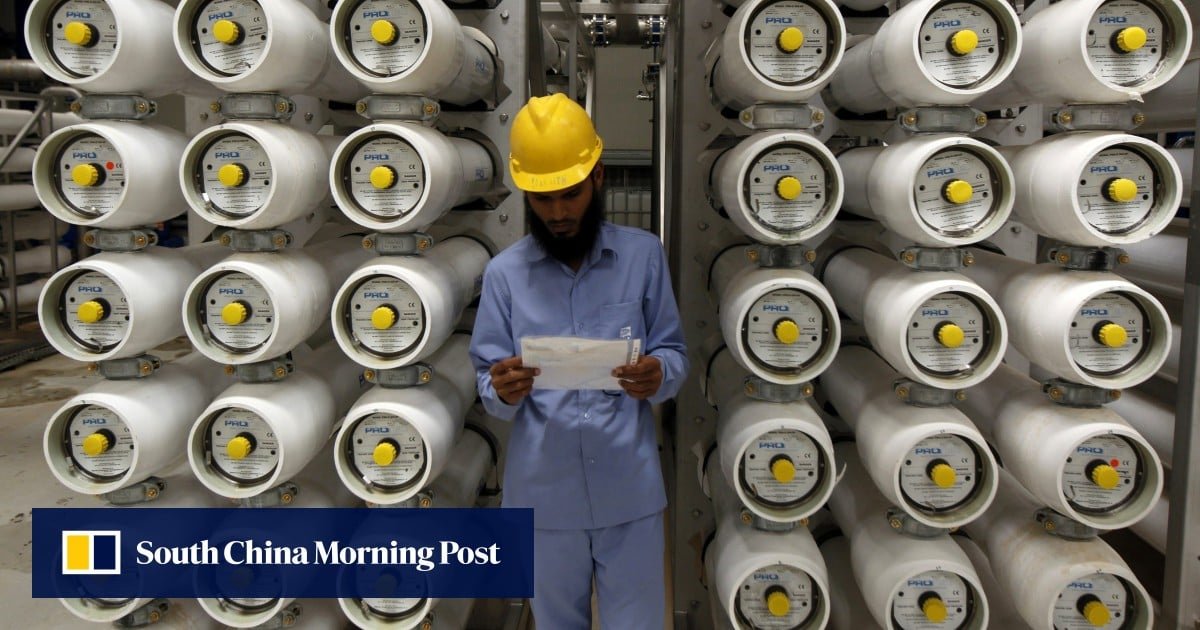
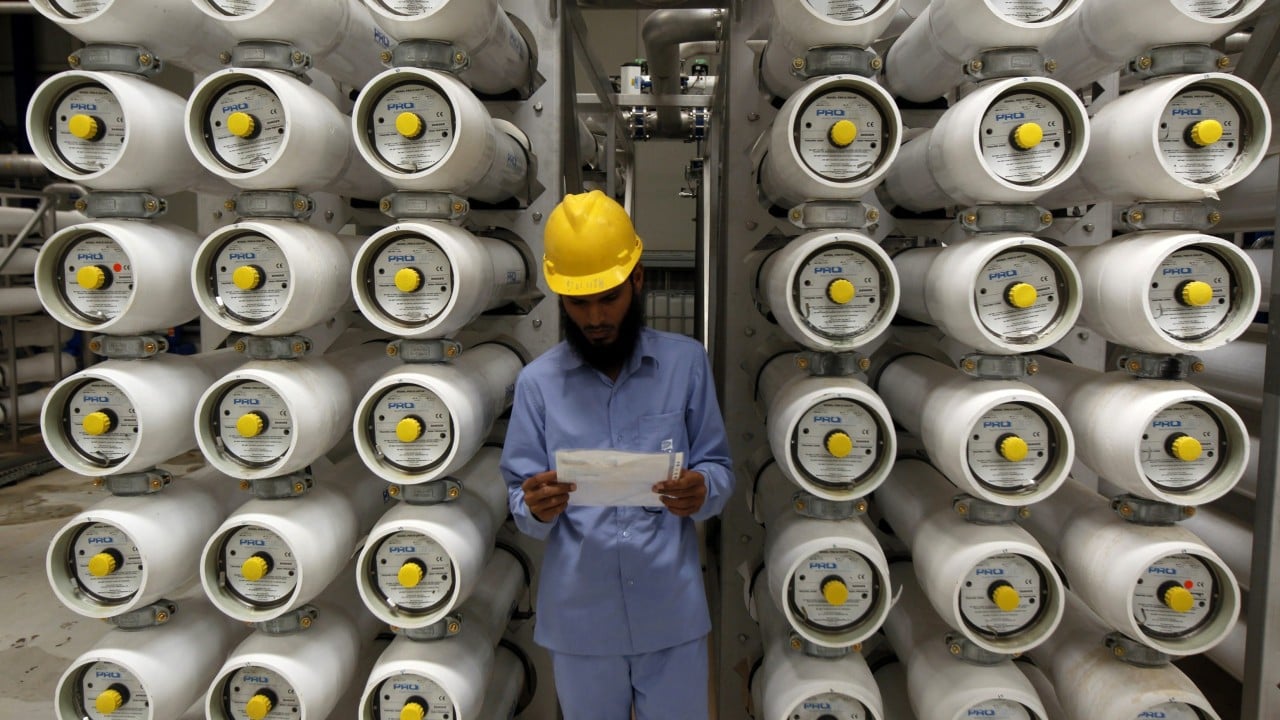
Hundreds of desalination plants along the coast of the Persian Gulf, placing specific systems that supply water to millions of people within range of Iranian missiles or drones. Without them, the big cities could not sustain their current population.
In Kuwait, about 90 percent of drinking water comes from desalination, along with about 86 percent in Oman and about 70 percent in Saudi Arabia. The technology removes salt from seawater – often by pushing it through advanced membranes in a process known as reverse osmosis – to produce clean water that sustains cities, hotels, factories and some agriculture in one of the world’s driest regions.
For people living outside the Middle East, the biggest concern of the Iran war has been the effect on energy prices. The Gulf produces about a third of the country’s crude exports, and energy revenues underpin the national economy. The fighting has already halted tanker traffic through major shipping lanes and disrupted port operations, forcing some producers to halt shipments as storage tanks fill up.
But the infrastructure that makes Gulf cities drinkable water may be just as vulnerable.
“Everybody thinks of Saudi Arabia and their neighbors as petrostates. But I call them saltwater kingdoms. They are man-made hydropower states,” said Michael Christopher Low, director of the Middle East Center at the University of Utah. “It’s a great achievement of the 20th century and a kind of danger.”



