
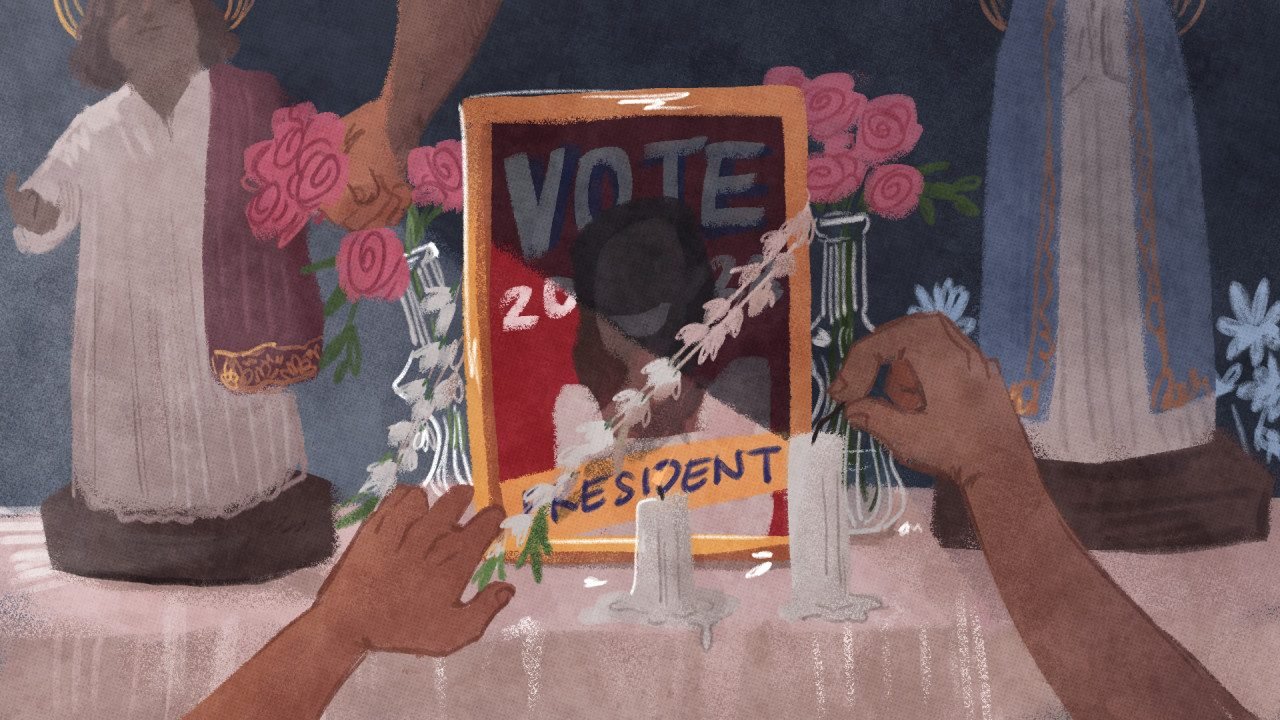
In the end, the question is not who will save the Philippines. That question is the problem itself.
Mayor Leni Robredo is right: The Philippines does not need a political savior; it needs a real political leader.
A “savior” is thought of as a heroic figure who can solve difficult national problems through will or charisma. But such a figure does not exist – not in this country, not anywhere. Still, the appeal of “savior politics” persists, especially in times of crisis. It gives simplicity in the face of complexity, certainty in the face of doubt. However, these ideas ultimately undermine democratic institutions. We have seen how it fosters dependence on individuals, marginalizes institutions, and turns governance into spectacle rather than substance.
What the country needs instead is leadership that focuses on responsibility, competence, and long-term vision. A true political leader does not fake impossible events or govern through big promises—fixing EDSA traffic within three months, ending the drug problem within six, or solving basic education problems within six years if provided with an additional budget of P100 billion. These are illusions, not plans.

Real leadership is needed more. It recognizes that meaningful change is slow, institutional and collective. It works within democratic systems to build lasting policies, strengthen local governments, and ensure that laws are applied fairly and consistently. It values openness, welcomes inquiry, and understands that criticism is not a threat but a necessary condition for accountability. Above all, it promotes an engaged citizenry, encourages participation, respects dissent, and fosters a responsible public.
This type of leadership strengthens democracy because it builds trust not in individuals, but in procedures and institutions. The Philippines’ perennial challenges—poverty, inequality, corruption, and discrimination—cannot be solved by anyone. They need a leader who empowers the people instead of overshadowing them. Development happens when institutions work, when communities organize, and when civil societies work. The role of a leader is not to dominate the national narrative, but to give space to others to shape it.
The country has never lacked alternatives. Democratic organizing, grassroots movements, policy reform, participatory governance, and institution building are not abstract ideas—they are proven methods that work. They are already active in society, in reform-oriented local governments, and in the daily work of civil society organizations. What is missing is not the choice, but the will to center it.
Instead, these methods are often set aside—ignored as too slow, too difficult, too unattractive. In their place, we continue to indulge in a dangerous lie: that only force can produce order, and only conflict can produce change.
A true leader rejects this false choice. They don’t do that flirting with violent language or authoritarian shortcuts. They insist, clearly and firmly, that real change is built and sustained, not imposed. And they are elevating these democratic alternatives from the fringes to the center of national debates, where appropriate.
But leadership alone is not enough. Without movement, even the most principled leader is reduced to temporary discrimination. What is needed are political organizations that are programmatic, principled, and accountable; institutions that defeat individuals and curb ambition. The task is not to gather a movement around a leader, but to produce leaders from within the movement.
Otherwise, we refer to the same structure under different names. We will continue to have political parties and alliances that function as personal and corporate platforms, bound by dynasty guardians rather than principles.
In the end, the question is not who will save the Philippines. That question is the problem itself. The real question is whether we are willing to do the hardest, most unpleasant work: to build a politics based on a unified, program-based movement—not just a temporary “unified” opposition for the 2028 elections—capable of producing its own leaders, developing its own reforms, and freeing itself from the need for saviors altogether.
This method has been pushed aside time and time again; the time has come to put it firmly in the middle. – Rappler.com



